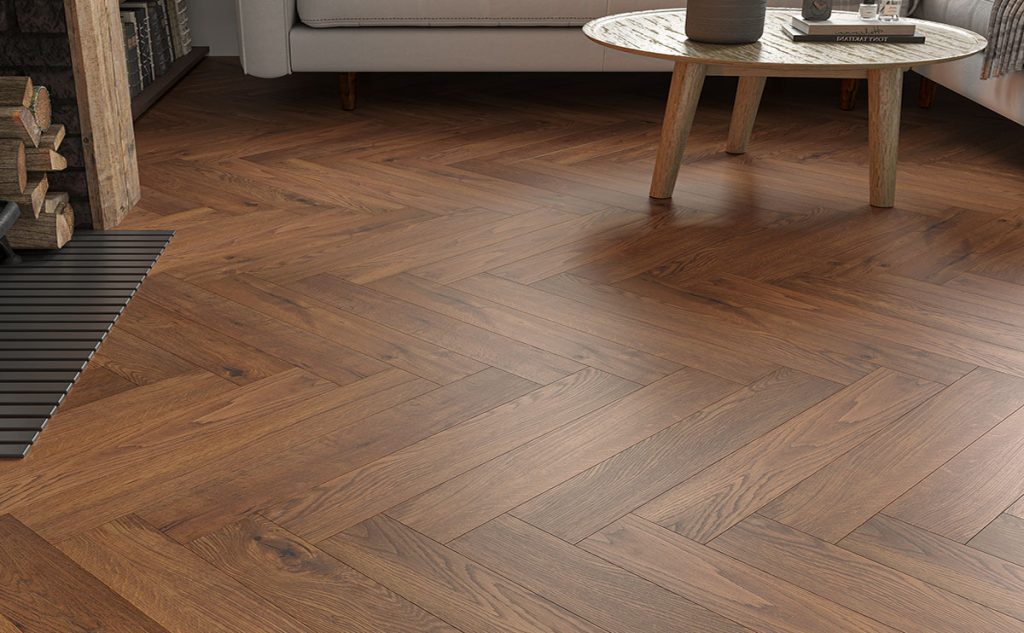
Versailles Wood Panels Installation Guide: How to Lay Parquet Panels
Installing Versailles wood panels requires careful preparation, accurate set-out, and correct environmental control to ensure long-term performance.
This guide provides practical, UK-relevant installation guidance designed to help both confident DIY installers and professional fitters achieve a stable, high-quality result.
These guidelines are designed to complement BS 8201 and current UK best practice.
1. Inspection and Site Preparation
Pre-Installation Inspection
Before installing each panel, inspect it carefully for any manufacturing defects. It is crucial to address any concerns about defects before the panels are installed, as no claims will be accepted after installation.
Note: Versailles Panels are not suitable for use in high-moisture areas like bathrooms, saunas, or other similar environments.
Site Conditions
Before materials are delivered and installation begins, ensure the following:
- Wet Trades: All wet trades such as plastering and screeding must be completed and fully dried.
- Weather-tight Building: Doors and windows must be installed to ensure the building is weather-tight.
Moisture and Temperature Guidelines
Check the following site conditions before starting installation:
- Screed Moisture Levels:
- Cement screed: Less than 2.0%
- Anhydrite screed: Less than 0.5%
- General screed: Below 2.5%
- Room Conditions:
- Relative humidity: Between 45-65%
- Temperature: Between 18°C and 25°C
- Panel Moisture:
- Versailles Panels should have a moisture content between 8-12%.
- Subfloor Condition:
- The subfloor must be flat, clean, and free of dirt or debris. Any gaps or cracks should be filled and allowed to dry completely before installation.
For full guidance on moisture testing, levelling, and substrate assessment, refer to our dedicated Subfloor Preparation Guide.
Managing Temperature and Humidity
Fluctuations in temperature and humidity can affect the stability of wood flooring. Low humidity may cause the wood to shrink, while high humidity can lead to expansion. Use a thermometer and hygrometer to monitor room conditions. To maintain stability, consider using a humidifier or dehumidifier if needed.
Ventilation
Keep the installation space well-ventilated, especially during periods of high humidity, such as summer. Wood will naturally expand in humid conditions and contract during drier periods, which may lead to small gaps between planks. This is a natural occurrence, not a fault in the product or installation.
2. Underfloor Heating
If you plan to install Versailles Panels over underfloor heating, follow these guidelines to ensure a successful installation:
- Ensure the underfloor heating system is fully tested and commissioned before installation.
- The floor surface temperature must not exceed 27°C.
- The system should run for at least two weeks before the installation starts.
- Room thermostats and floor probes should be in place to regulate the temperature.
Temperature Management: During installation, maintain the room temperature between 15°C and 25°C. After installation, increase the temperature gradually—no more than 3°C per day—until the system reaches a maximum of 27°C. This gradual warming helps minimise movement within the wood. This is called the Initial Warm-Up Procedure or Commissioning.
For full commissioning guidance and temperature control rules, refer to our Underfloor Heating with Engineered Wood Flooring Guide.
3. Installation Preparation
Subfloor Readiness
Before installation, ensure the subfloor is flat, dry, and free of dust or debris. Any imperfections in the subfloor, such as holes or cracks, should be filled and dried before installation begins.
Expansion Gap
Leave an expansion gap of at least 10mm (typically 10–15mm) between the flooring and any fixed structures, such as walls, door frames, or radiator pipes. This allows the wood to expand and contract naturally with changes in temperature and humidity.
Acclimatisation
Acclimatise the panels by storing them in the room where they will be installed (or in a room with similar climate conditions) for 3 to 7 days, depending on the time of year. It's recommended to open the ends of each box to allow the wood to breathe (this saves you having to remove all the packaging before installation). Acclimatisation helps the panels adjust to the room's climate, which prevents movement after installation due to changes in temperature and humidity.
Mixing Panels for Uniformity
As wood is a natural material, variations in colour and grain are to be expected. To achieve a more uniform appearance, mix panels from different boxes during installation.
4. Installation: Glue-Down Method
For Versailles Panels, the glue-down method is the recommended installation approach, although floating installation may be permitted where specifically approved for the product and site conditions. Here’s how to proceed with the recommended glue-down method:
1. Choose the Right Adhesive: Use an adhesive specifically designed for wood flooring. Ensure it’s an elastically deformable/flexible adhesive, this allows the glue to stay active with the wood's natural movement.
2. Room Temperature: Ensure the adhesive is at room temperature before use.
3. Apply the Adhesive: Spread the adhesive evenly onto the subfloor using a v-notch trowel (usually 8mm notches). Only apply enough adhesive that can be covered within 30 minutes.
4. Lay the Panels: Position the panels onto the adhesive and gently tap them into place using a rubber mallet.


5. Secure the Panels: If necessary, place weights on the panels to ensure they adhere properly to the subfloor.
6. Clean Excess Adhesive: Clean any adhesive residue immediately using the adhesive manufacturer’s recommended cleaning method.
5. Post-Installation Conditions
The 48 hours following installation are crucial for ensuring the floor's stability. During this time:
- Avoid Sudden Changes: Keep the room’s temperature and humidity levels stable to prevent the wood from lifting from the adhesive.
- Maintain Optimal Conditions: Long-term, it is recommended to keep the room temperature between 18°C and 25°C and relative humidity between 45% and 65%. Deviations from these conditions may cause excessive shrinkage or expansion.
6. Important Precautions
Size Variations
Although the panels are manufactured to high standards, there may be slight size variations of up to +/- 2mm, which could impact the installation. If necessary, use a filler of a similar colour to adjust any minor gaps.
Temperature Sensitivity
The top layer of Versailles Panels is made up of lamellas attached to a plywood base in different orientations, making them sensitive to temperature fluctuations, particularly when installed over underfloor heating. It is recommended to use temperature and humidity recording devices, like Fidbox, to monitor conditions both above and below the floor.
Note: Claims related to temperatures exceeding 27°C will not be considered.
For more information on Fidbox, please refer to their official website.
7. Cleaning and Maintenance
To keep your Versailles Panels looking great:
- Dry Cleaning: Use dry methods like vacuuming or sweeping to clean the floor regularly.
- Damp Mopping: If necessary, use a slightly damp (not wet) mop. Excessive moisture can damage the floor, causing the wood to swell or cup. Always wring out the mop thoroughly before use.
- Avoid Direct Sprays: Do not spray cleaning products directly onto the floor, as this may damage the finish and affect the appearance of the panels.
For full day-to-day cleaning routines and long-term care guidance, refer to our Wood Flooring Care & Maintenance Guide.
8. Further Questions?
If you have any concerns or need further assistance, don't hesitate to consult a flooring professional. A little extra care in the installation process will go a long way in ensuring that your new floor remains beautiful for years to come.
Find Quick Answers
Dive into our FAQ section for instant answers to your most common questions, from product details to shipping information.
We're Here to Help
Need further assistance? Our dedicated team is ready to provide you with personalized support and answer any queries you might have.
About Floor Warehouse
Floor Warehouse is a UK-based flooring specialist with over 15 years of combined industry experience in sourcing, selling, and advising on wood, laminate, SPC, and LVT flooring. Our expert advice is written to help homeowners, designers, and trade professionals make informed flooring decisions — from installation and maintenance to underfloor heating compatibility, sustainability, and long-term performance. All guidance is based on real-world product knowledge, manufacturer standards, and common questions we see every day from customers across the UK.
View all posts by Floor Warehouse