A Practical Installation & Use Guide

Underfloor heating (UFH) is an efficient and comfortable way to heat a home, and when paired correctly with engineered wood flooring, it can deliver reliable performance and long-term stability.

This guide is designed to explain how engineered wood flooring should be specified, installed, and used over underfloor heating systems, based on real-world installation practices rather than theory. It covers system compatibility, temperature control, installation methods, and the steps required to avoid the most common causes of failure.

While engineered wood is suitable for use with underfloor heating, success depends on getting the details right — from subfloor preparation and temperature limits to correct commissioning and ongoing use. The sections below set out clear, practical guidance to help ensure your flooring performs as intended for years to come.

1. Can Engineered Wood Flooring Be Used with Underfloor Heating?

Yes — engineered wood flooring is suitable for use with underfloor heating, provided the system is correctly designed, installed, and controlled.

Engineered boards are constructed from multiple layers bonded together in opposing directions. This layered build improves dimensional stability and allows the flooring to cope far better with the gradual heat changes produced by underfloor heating systems.

Why Solid Wood Flooring Is Not Recommended

Solid wood flooring is generally not suitable for underfloor heating. Because each board is made from a single piece of timber, it reacts more aggressively to temperature and moisture changes. When exposed to repeated heating and cooling cycles, solid wood is far more likely to:

  • Expand and contract unevenly
  • Develop gaps or cupping
  • Crack or distort over time

For this reason, engineered wood is the preferred option where underfloor heating is present.

Maximum Surface Temperature Rule

All engineered wood flooring installed over underfloor heating must operate within strict temperature limits.
In most cases, the maximum permitted floor surface temperature is 27°C, although some manufacturers specify a lower limit.

This is a surface temperature measured at the floor level — not the room air temperature shown on a thermostat. Exceeding this limit can lead to long-term damage and may invalidate product warranties.

Important Compatibility Considerations

While engineered wood is suitable for use with underfloor heating, compatibility is never automatic.

Performance depends on:

  • The type of underfloor heating system (water or electric)
  • The condition and moisture content of the subfloor
  • Board thickness and construction
  • The chosen installation method (floating or glue-down)
  • Correct temperature control before, during, and after installation

For best results, always follow the most restrictive guidance provided by the flooring manufacturer, adhesive supplier, and underfloor heating system.

2. Types of Underfloor Heating Systems

Engineered wood flooring can be used with both main types of underfloor heating systems. Each system delivers heat differently, which can influence board selection, installation method, and temperature control requirements.

2.1 Water-Based (Hydronic) Underfloor Heating

Water-based underfloor heating systems circulate warm water through a network of pipes installed beneath the floor surface.

Key characteristics:

  • Provides stable, even heat output
  • Well suited to larger floor areas and whole-home heating
  • Slower response times but more consistent temperatures
  • Commonly used with thicker engineered wood boards

Because heat changes are gradual, hydronic systems are generally considered the most forgiving option for engineered wood flooring when correctly commissioned and controlled.

2.2 Electric Underfloor Heating

Electric underfloor heating systems use heating cables or mats installed beneath the floor surface.

Key characteristics:

  • Faster response times than water-based systems
  • More sensitive to temperature changes
  • Requires tighter control to avoid overheating
  • Typically used in smaller areas or individual rooms

When used with engineered wood flooring, electric systems must be carefully managed using floor sensors and strict temperature limits to ensure long-term stability.

Water-Based (Hydronic) Underfloor Heating
Electric Underfloor Heating

3. Choosing the Right Engineered Wood Flooring for Underfloor Heating

Not all engineered wood flooring performs the same over underfloor heating. Board thickness, construction quality, and format all play a role in how efficiently heat is transferred and how stable the floor remains over time.

3.1 Board Thickness & Heat Transfer

Board thickness has a direct impact on how efficiently underfloor heating performs and how the flooring responds to temperature changes.

  • 10–14mm boards
    Thinner engineered boards respond more quickly to changes in temperature, allowing heat to pass through the floor faster. This makes them well suited to systems where responsiveness is important, such as spaces that are heated intermittently. Because there is less material to retain warmth, these boards also cool down more quickly once the heating is reduced.
  • 15–20mm boards
    Thicker engineered boards take longer to warm up, as heat moves more slowly through the material. However, once they reach operating temperature, they retain heat for longer, helping to maintain a more consistent feel underfoot. This can be particularly beneficial in larger rooms or open-plan spaces.
  • Thicker boards do, however, require stricter underfloor heating control. Slower heat transfer means that excessive temperatures or rapid changes are more likely to introduce stress into the flooring if the system is not carefully managed.

3.2 Board Format & Construction

The format and build quality of engineered wood flooring are just as important as thickness.

  • Plank formats
    Standard plank boards generally distribute movement more evenly across the floor, making them easier to manage over underfloor heating.
  • Parquet formats
    Herringbone and chevron patterns involve more joints and smaller pieces, which increases the importance of stable subfloors, correct adhesives, and controlled temperature conditions.

Regardless of format, multi-ply construction is critical. High-quality engineered boards use multiple layers bonded in opposing directions, reducing the natural movement of timber when exposed to heat.

Build quality matters more than species. A well-constructed engineered oak board will outperform a poorly built alternative, regardless of timber type. Stability comes from how the board is made, not just what it is made from.

4. Subfloor Preparation & UFH Readiness

Correct subfloor preparation is essential when installing engineered wood flooring over underfloor heating. No flooring system can compensate for a subfloor that is damp, uneven, or unstable.

UFH Installation & Commissioning

Before any flooring is installed, the underfloor heating system must be:

  • Fully installed and operational
  • Pressure tested (where applicable)
  • Commissioned in accordance with the UFH manufacturer’s instructions

Commissioning confirms the system is functioning correctly and allows residual moisture within the subfloor to be driven off in a controlled manner. Flooring should never be installed over an untested or uncommissioned UFH system.

Moisture Testing Requirements

Moisture testing is mandatory before installation.

  • Concrete or screeded subfloors must be tested using an appropriate moisture meter or hygrometer
  • The subfloor must meet the flooring manufacturer’s stated moisture limits
  • Results should be recorded before installation begins

As a general guide, typical maximum moisture levels are:

  • Cement-based screeds:
    75% relative humidity (RH) when tested with an in-situ hygrometer
    or
    2.0% CM (often 1.8% CM with UFH) when tested using a carbide (CM) method
  • Anhydrite (calcium sulphate) screeds:
    65% RH
    or
    ≤ 0.5% CM

These figures are typical industry thresholds for engineered wood flooring and adhesives used over underfloor heating. Some products may require lower moisture levels.

Installing engineered wood flooring over a damp subfloor significantly increases the risk of movement, adhesive failure, and long-term damage and may invalidate manufacturer warranties.

Flatness & Level Tolerances

The subfloor must be flat, level, and free from ridges or high spots.

  • Any deviation outside accepted tolerances must be corrected before installation
  • Localised high points can create pressure zones when the floor is heated
  • Uneven subfloors reduce contact between the flooring and the substrate, affecting heat transfer

UFH-Compatible Smoothing Compounds

Where levelling is required, only smoothing compounds approved for use with underfloor heating should be used.

These compounds are designed to:

  • Withstand repeated heating and cooling cycles
  • Maintain strength and flexibility under thermal movement
  • Support consistent heat distribution across the floor

Standard levelling products not rated for UFH can crack or fail when exposed to heat.

Confirming Subfloor Readiness

Engineered wood flooring should not be installed until the subfloor is:

  • Dry
  • Flat
  • Structurally sound
  • Thermally stable

Rushing installation before these conditions are met is one of the most common causes of failure in underfloor heating installations.

For more on subfloor preparation, please see: Essential Subfloor Preparation: The Key to Lasting Floors

UFH-compatible smoothing compound
Moisture testing the subfloor

5. Installation Methods Over Underfloor Heating

Engineered wood flooring can be installed over underfloor heating using either a floating or glue-down method. The correct choice depends on the flooring specification, subfloor condition, and the performance expected from the heating system.

5.1 Floating Installation

Floating installation involves installing the flooring over an underlay without fixing it directly to the subfloor.

Key considerations:

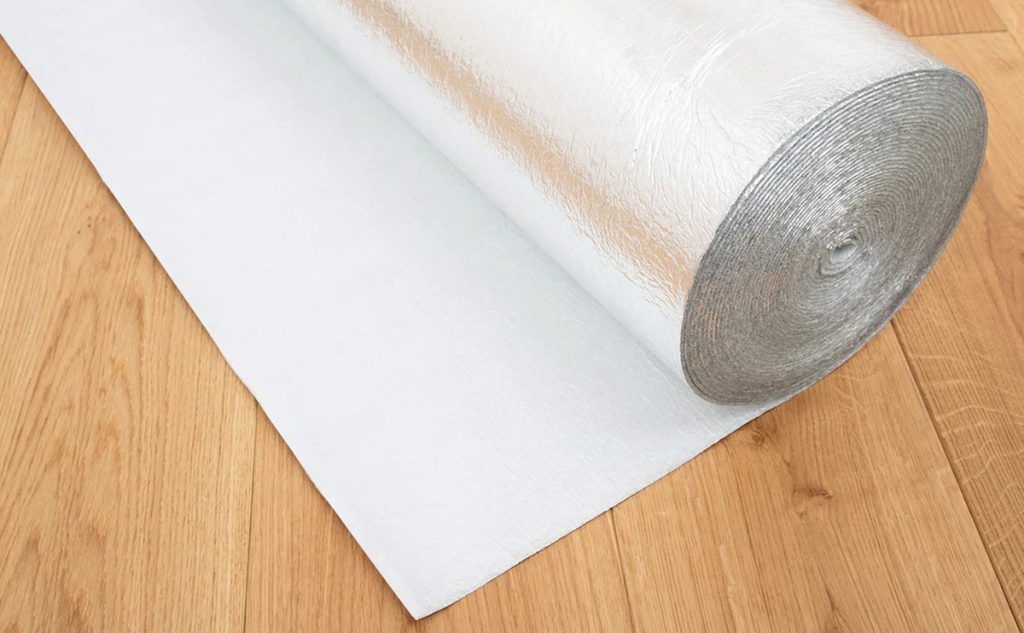
  • A UFH-approved underlay must be used
  • Underlay adds thermal resistance, which reduces heat transfer
  • The system may take longer to warm up and cool down

Floating floors are generally:

  • Quicker and easier to install
  • Less permanent
  • More forgiving of minor subfloor imperfections

However, due to reduced thermal efficiency, floating installation is often better suited to thinner boards or areas where maximum heat output is not critical.

5.2 Glue-Down Installation

Glue-down installation involves bonding the engineered wood directly to the subfloor using a suitable adhesive.

Key considerations:

  • Provides the most efficient heat transfer
  • Requires a UFH-compatible adhesive
  • Allows controlled expansion and contraction across the floor

Because the flooring is fully supported, glue-down installation:

  • Reduces movement
  • Improves stability
  • Enhances heat responsiveness

This method is recommended for wider and thicker engineered boards, parquet formats, and larger areas where consistent performance over underfloor heating is essential.

For step-by-step instructions, preparation checks, and installation best practice, refer to flooring installation guides.

6. UFH Temperature Control During Installation

Correct temperature control during installation is critical when laying engineered wood flooring over underfloor heating. Most installation failures linked to UFH happen at this stage, not during day-to-day use.

UFH Status During Installation

Underfloor heating should be switched off during installation wherever possible.
If the system cannot be fully switched off, it must be restricted so the floor surface temperature does not exceed 18°C.

This applies to both water-based and electric underfloor heating systems.

Floor Surface Temperature Limit

The subfloor surface temperature should typically be between 15°C and 18°C during installation, or as specified by the flooring manufacturer.
This is a surface reading taken at the floor level — not the thermostat setting and not the room air temperature.

Exceeding this limit can:

  • Accelerate adhesive curing and reduce working time
  • Cause uneven bonding across warmer and cooler zones
  • Encourage premature expansion or movement in the boards
  • Increase the risk of long-term instability once heating is reactivated

Stable Conditions Are Essential

Temperature stability is just as important as temperature limits.

During installation:

  • UFH temperatures must remain constant
  • Avoid any automatic temperature cycling or programmed setbacks
  • Do not adjust heat output during the working day

Fluctuating temperatures introduce stress into the flooring and adhesive before curing is complete.

Why Thermostat Air Temperature Is Not Enough

Thermostats measure air temperature, not floor temperature.
With underfloor heating, the surface temperature above heating pipes or cables can be significantly higher than the air reading shown on the thermostat.

Relying on air temperature alone can lead to unintentionally exceeding safe limits at the floor surface.

Installer Best Practice: Measuring Floor Surface Temperature

Professional installers do not rely on thermostat readings alone.

Best practice is to:

  • Use an infrared thermometer to measure the floor surface temperature
  • Take readings in multiple locations:
    • Above heating runs
    • Between heating runs
    • Near external walls
  • Confirm all readings remain at or below 18°C before and during installation

Only once stable, controlled conditions are confirmed should installation begin.

7. Floor Sensors, Probes & Thermostat Control

Accurate temperature monitoring is essential when using engineered wood flooring over underfloor heating. Relying solely on room thermostats increases the risk of overheating the floor, particularly during installation and the early heating cycles.

7.1 Floor Temperature Sensors

Floor temperature sensors are designed to measure the actual surface temperature of the floor, rather than the surrounding air. This makes them a critical safeguard when engineered wood flooring is installed over UFH.

Their role is to:

  • Monitor real floor surface temperatures
  • Prevent overheating that could damage the flooring
  • Maintain temperatures within manufacturer-approved limits

correctly, they allow the heating system to respond to floor temperature, not just air temperature.

In addition to control-based sensors, some flooring professionals also use independent environmental monitoring devices, such as Fidbox, to record long-term temperature and humidity conditions beneath a wood floor. These devices do not control underfloor heating output, but can be useful for diagnostics, long-term monitoring, and understanding environmental conditions over time.

Correct placement is essential

To ensure accurate readings, floor temperature sensors should be installed:

  • Between heating pipes or cables
  • Centrally within the heated area
  • Not crossing or touching heating elements

Incorrect placement can lead to inaccurate readings, delayed thermostat response, and unreliable temperature control, increasing the risk of overheating the flooring.


7.2 Probes & Thermostats

Temperature probes work in conjunction with thermostats to regulate the underfloor heating system. When set up correctly, they allow the thermostat to respond to floor temperature, not just air temperature.

This is important because:

  • Engineered wood reacts to heat at the surface level
  • Air temperature can remain comfortable while the floor overheats
  • Localised hot spots can develop above heating runs

Thermostats should be configured to enforce a maximum floor temperature limit, typically not exceeding 27°C, or lower if specified by the flooring manufacturer.

Hard temperature caps are critical. Comfort-based thermostat settings alone are not sufficient to protect engineered wood flooring, particularly in glue-down installations or when thicker boards are used.

A correctly installed and configured sensor and thermostat setup provides:

  • Consistent temperature control
  • Protection against thermal stress
  • Long-term stability of the flooring system
Fidbox – Hardwood Floor Temperature & Humidity Monitor
temperature and humidity readings
Temperature and humidity readings

8. After Installation: UFH Start-Up & Commissioning

The period immediately after installation is one of the most critical stages when using engineered wood flooring over underfloor heating. Most UFH-related flooring issues occur because the heating system is brought back into use too quickly.

Waiting Period Before Reactivating UFH

After installation is complete, underfloor heating should remain off for a minimum of 24–48 hours.

This allows:

  • Adhesives to cure correctly (for glue-down installations)
  • The flooring to settle in stable conditions
  • Initial stresses introduced during installation to dissipate

Reactivating UFH too soon can compromise bonding and increase the risk of movement or instability.

Gradual Temperature Increase

When underfloor heating is switched back on, it must be brought up to operating temperature gradually.

Recommended approach:

  • Start at a low temperature typically around 15-18°C
  • Increase the floor temperature by 2–3°C per day
  • Continue until the desired operating temperature is reached

Sudden increases in heat can shock the flooring and introduce unnecessary stress before it has fully adjusted.

Maximum Surface Temperature

At all times, the floor surface temperature must not exceed the flooring manufacturer’s stated limit, typically 27°C, unless a lower limit is specified.

This limit applies:

  • During commissioning
  • During regular daily use
  • Throughout the life of the floor

Exceeding the maximum surface temperature increases the risk of surface checking, gapping, finish failure, and long-term distortion.

Why Rushing This Stage Causes Failures

Engineered wood responds to heat gradually. Rapid temperature changes can:

  • Force moisture out of the boards too quickly
  • Create uneven expansion across the floor
  • Stress adhesive bonds before full curing
  • Lead to problems that may not appear immediately but develop over time

A controlled start-up process protects both the flooring and the heating system and is essential for long-term performance.

9. Regular Use & Seasonal Operation

Once the underfloor heating system has been correctly commissioned, engineered wood flooring can be used as part of normal daily heating without repeating the full start-up process each time.

Everyday Operation

For regular use:

  • There is no need to repeat the full commissioning process every time the heating is switched on or off
  • The system can be programmed to maintain comfortable temperatures throughout the day
  • Normal adjustments within safe limits will not harm the flooring

The key is maintaining consistent, controlled operation rather than frequent extremes.

After Long Shutdown Periods

If the underfloor heating system has been switched off for an extended period (more than 7 consecutive days), such as during warmer months, temperatures should be increased in a controlled manner when returning to use.

Recommended approach:

  • Start the system at a low temperature (15–18°C at the floor surface)
  • Increase the floor temperature by no more than 2–3°C per day
  • Continue this gradual increase until the normal operating temperature is reached
  • Ensure the maximum floor surface temperature is not exceeded at any stage (typically 27°C)

For most homes, this process will take 2–4 days, depending on the target temperature and system type.

This slower warm-up allows the engineered wood flooring to readjust to heat after a prolonged cooling period and helps minimise unnecessary stress within the boards.

Avoiding Sudden Temperature Changes

Sudden or large temperature changes should always be avoided. In practical terms, this means rapid adjustments that do not allow the flooring time to respond gradually.

As a general guide:

  • Increases of more than 3°C within a 24-hour period are considered too rapid
  • Switching UFH from off directly to high operating temperatures should be avoided
  • Sharp temperature setbacks followed by aggressive warm-ups can introduce unnecessary stress

Rapid increases in heat can:

  • Dry the wood too quickly
  • Cause uneven expansion across the floor
  • Introduce movement or stress that develops over time

Gradual changes help maintain stability and extend the life of the floor.

Seasonal Adjustment Guidance

Seasonal changes in heating demand are normal when using underfloor heating. Rather than maintaining fixed high settings throughout the year, the system should be adjusted progressively in response to external temperatures and occupancy patterns.

When entering colder periods, avoid sudden increases in heat output. Raise temperatures in small, controlled steps to allow the flooring and heating system to respond gradually. Likewise, as heating demand reduces during milder weather, lower output progressively rather than switching between extremes.

Measured seasonal adjustments place less stress on the heating system and help maintain stable floor temperatures over time, supporting long-term performance without unnecessary strain.

10. Humidity Control & Ongoing Care

Temperature control alone is not enough to protect engineered wood flooring installed over underfloor heating. Humidity management plays an equally important role in maintaining long-term stability and appearance.

Ideal Indoor Humidity Levels

Engineered wood flooring performs best when indoor relative humidity is kept between 30% and 60%.

  • Prolonged low humidity can dry the wood and increase the risk of gaps
  • Excessive humidity can introduce expansion and movement

Maintaining a balanced indoor environment helps minimise seasonal changes in the flooring.

Seasonal Movement Expectations

Some minor movement is normal with engineered wood flooring, particularly in UK homes where humidity fluctuates throughout the year.

  • Small gaps may appear during colder, drier months
  • These often reduce naturally as humidity levels rise

This seasonal behaviour is a natural characteristic of wood and should not be mistaken for a fault.

Avoiding Heat Traps

Items placed directly on heated floors can restrict airflow and cause localised heat build-up.

  • Thick rugs without airflow
  • Furniture with solid bases
  • Items placed directly over floor sensors

These can create hot spots that exceed safe surface temperatures. Where rugs are used, ensure they are breathable and suitable for use with underfloor heating.

Monitor, Don’t Over-Correct

The most effective approach is monitoring rather than constant adjustment.

  • Use a hygrometer to track indoor humidity
  • Make gradual changes when needed
  • Avoid reacting to short-term fluctuations

Consistent conditions over time provide better protection than frequent corrective actions.

11. Common UFH Mistakes to Avoid

Most problems with engineered wood flooring over underfloor heating are caused by avoidable mistakes. The following issues account for the majority of installation and performance failures.

  • Turning underfloor heating on too early
    Activating the system before adhesives have cured or before the floor has settled can compromise bonding and stability.
  • Exceeding surface temperature limits
    Floor surface temperatures must remain within manufacturer limits, typically no higher than 27°C. Higher temperatures significantly increase the risk of damage.
  • Relying on air temperature only
    Room thermostats measure air temperature, not floor surface temperature. This can lead to overheating the floor without realising it.
  • Rapid temperature changes
    Sudden increases or decreases in heat place unnecessary stress on the flooring and can lead to movement or long-term distortion.
  • Ignoring subfloor moisture levels
    Installing over a damp or insufficiently dried subfloor is one of the most common causes of failure and is not something underfloor heating can correct.

Avoiding these mistakes goes a long way toward ensuring reliable performance and long-term satisfaction.

12. Final Advice from Floor Warehouse

Underfloor heating and engineered wood flooring work extremely well together when the system is correctly specified, installed, and controlled. However, no two installations are identical.

Every project is influenced by:

  • The type of underfloor heating system
  • The condition and construction of the subfloor
  • The flooring specification and installation method
  • How temperatures are managed over time

For this reason, it is essential to always follow the most restrictive requirement provided by the flooring manufacturer, adhesive supplier, and underfloor heating system. Where guidance differs, the strictest limit should take precedence.

If there is any uncertainty, the safest approach is always to slow temperature changes down. Gradual adjustments place less stress on both the flooring and the heating system and are far more effective at preventing long-term issues than reactive fixes.

Taking a measured, controlled approach at every stage will deliver the best performance, longevity, and comfort from your engineered wood floor over underfloor heating.

Underfloor Heating & Engineered Wood Flooring FAQs

Can engineered wood flooring be used as the primary heat source with underfloor heating?

Yes, engineered wood flooring can be used with underfloor heating as a primary heat source, provided the system is correctly designed and sized for the space. Heat output will depend on factors such as board thickness, installation method, insulation levels, and room heat loss.

What is the maximum temperature for engineered wood flooring over UFH?

The maximum permitted floor surface temperature is typically 27°C, unless the flooring manufacturer specifies a lower limit. This refers to the temperature at the surface of the floor, not the air temperature shown on the thermostat.

Do I need floor sensors if I already have a thermostat?

Yes. Standard thermostats measure air temperature only. Floor sensors are required to monitor and limit the actual floor surface temperature, which is what protects engineered wood flooring from overheating.

Can underfloor heating stay on during installation?

Underfloor heating should be switched off during installation wherever possible. If it cannot be fully switched off, it must be restricted so the floor surface temperature does not exceed 18°C and remains stable throughout the installation.

Is glue-down or floating installation better over UFH?

Both methods can be suitable, but glue-down installation provides better heat transfer and greater stability, particularly for wider or thicker engineered boards. Floating installation is easier but less thermally efficient due to the insulating effect of underlay.

How long should I wait before turning UFH back on after installation?

Underfloor heating should remain off for 24–48 hours after installation. Once reactivated, temperatures must be increased gradually at 2–3°C per day until the desired operating temperature is reached.

Do I need to repeat the commissioning process every time I use UFH?

No. The full commissioning process is only required after installation or major system changes. For regular use, normal programmed operation is fine. After long shutdowns, such as summer months, temperatures should be raised gradually over a day or two.

Will engineered wood flooring move over underfloor heating?

Some minor seasonal movement is normal with all wood floors. Maintaining stable temperatures and indoor humidity levels between 30–60% helps minimise movement and supports long-term performance.

author-avatar

About Floor Warehouse

Floor Warehouse is a UK-based flooring specialist with over 15 years of combined industry experience in sourcing, selling, and advising on wood, laminate, SPC, and LVT flooring. Our expert advice is written to help homeowners, designers, and trade professionals make informed flooring decisions — from installation and maintenance to underfloor heating compatibility, sustainability, and long-term performance. All guidance is based on real-world product knowledge, manufacturer standards, and common questions we see every day from customers across the UK.