For Click LVT (SPC) & Glue-Down LVT Flooring

Luxury Vinyl Tile (LVT) flooring — including Click-Fit SPC and Glue-Down systems — is designed to be durable, water-resistant, and low maintenance. With the correct care routine, your floor will retain its appearance and performance for many years in both residential and light-use commercial environments.

1. Everyday (Daily) Care

Regular removal of dust and grit is essential for maintaining the surface appearance of both Click LVT (SPC) and Glue-Down LVT flooring. Fine particles can act as abrasives underfoot and accelerate surface wear.

  • Sweep or vacuum regularly using a soft brush or hard-floor setting.
  • Use microfibre mops or pads, which effectively lift dust without scratching the wear layer.
  • Avoid stiff or coarse brooms that may cause surface abrasion over time.

Important:
Steam mops and excessively wet cleaning methods are not suitable for either Click LVT (SPC) or Glue-Down LVT. Heat and moisture can weaken joints, soften adhesives, or damage the surface layer.

2. Weekly Cleaning

For routine cleaning of Click LVT (SPC) and Glue-Down LVT flooring:

  1. Use a slightly damp microfibre mop — the mop should be well wrung out, not wet.
  2. Clean using warm water or a pH-neutral cleaner formulated for vinyl flooring.
  3. Ensure the floor dries quickly and that no standing water is left on the surface.

🚫 Avoid

  • Pouring water directly onto the floor.
  • Household cleaners containing bleach, ammonia, abrasives, waxes, or polishes.

Excess moisture or unsuitable cleaning products can lead to joint separation, adhesive softening (glue-down floors), surface dulling, or delamination, and may affect warranty coverage.

Tip: More frequent light cleaning is preferable to occasional heavy cleaning.

Mircofibre Mop on LVT Floor

3. Deep Cleaning & Spot Treatment

Occasional deeper cleaning may be required for localized marks or heavier soiling on both Click LVT (SPC) and Glue-Down LVT floors.

  • For stubborn marks such as mud, food, or drink spills, apply a vinyl-safe cleaner to a cloth or mop, allow it to work briefly, then wipe clean.
  • For scuff marks, use a soft cloth or microfibre pad. Avoid excessive pressure.
  • Never use scouring pads, steel wool, solvent-based cleaners, polishes, or sealers, as these can damage or break down the floor’s protective wear layer.

Always ensure the floor is left clean and dry after spot treatment.

4. Cleaning Products & What to Avoid

Using the correct cleaning products is essential for protecting the surface and appearance of both Click LVT (SPC) and Glue-Down LVT flooring. Many general household cleaners are unsuitable and can damage the wear layer or leave residues that dull the finish over time.

Recommended Cleaning Products

  • Use a pH-neutral cleaner specifically formulated for vinyl or LVT flooring.
  • Ready-to-use sprays or diluted cleaners approved for LVT are suitable when used as directed.
  • Apply cleaners sparingly and ensure the floor is left clean and dry after use.

Products to Avoid

Do not use the following on LVT flooring:

  • Bleach, ammonia, or chlorine-based cleaners
  • Abrasive powders or creams
  • Solvent-based cleaners or degreasers
  • Waxes, polishes, or floor shine products
  • Steam cleaners or hot-water cleaning systems

These products can break down the wear layer, leave slippery or sticky residues, cause discolouration, or interfere with adhesives on glue-down floors.

Tip: Always test any new cleaning product on a small, inconspicuous area first.

5. Protecting Your Floor

Simple preventative measures can significantly reduce surface wear on both Click LVT (SPC) and Glue-Down LVT flooring.

Area

Best Practice

Furniture

Fit felt pads or floor protectors under all legs and base supports. Always lift furniture when moving it — never drag.

Office Chairs

Use soft-wheel castors or protective chair mats, particularly on hard-working desk areas.

Entryways

Use quality doormats to trap grit and moisture. Avoid rubber-backed or non-breathable mats, which can cause staining or discolouration.

Sunlight

Use blinds, curtains, or UV protection in areas exposed to strong, direct sunlight to help reduce fading over time.

Tip: Regularly check felt pads and mats for trapped grit, which can cause abrasion if left in place.

Felt Pad Applied on Furniture

6. Water, Spills & Moisture Control

Click LVT (SPC) and Glue-Down LVT flooring are designed to be highly water-resistant (waterproof surface), meaning everyday spills will not damage the flooring when dealt with. However, prolonged or excessive moisture should always be avoided.

  • Wipe up spills immediately to prevent liquid from entering joints, edges, or perimeter gaps.
  • Do not allow water or other liquids to pool along skirting boards, doorways, or beneath rugs and furniture.
  • Avoid leaving wet footwear, damp mats, or cleaning equipment in contact with the floor for extended periods.
  • Steam cleaners are not suitable, as the combination of heat and moisture can weaken joints, soften adhesives, or damage the surface layer.

Repeated or prolonged moisture exposure — including leaks from appliances, plant pots, or pet accidents — can lead to surface damage, joint failure, or adhesive issues and is not considered a product defect.

7. SPC (Click) vs Glue-Down LVT – Key Differences

While Click LVT (SPC) and Glue-Down LVT share the same surface wear layer and visual appearance, their installation methods and in-use behaviour differ, which can affect care, performance, and repair options.

Click LVT (SPC)

  • Installed as a floating floor using a click-locking system.
  • The SPC core is dimensionally stable and resistant to moisture, but joints and edges should still be protected from prolonged exposure.
  • Excessive moisture, heat, or uneven subfloors can place stress on the locking mechanism, potentially leading to joint separation or edge lifting.
  • Individual planks can often be unclipped and replaced, depending on room layout and access.

Glue-Down LVT

  • Installed by bonding each plank directly to the subfloor using a vinyl-specific adhesive.
  • Provides a firm, solid feel underfoot with minimal movement.
  • Prolonged moisture exposure can affect the adhesive bond, leading to edge lifting if not addressed.
  • Localised plank replacement is usually possible but requires professional removal and re-bonding.

What this means for care and maintenance

  • Cleaning methods are broadly the same for both systems.
  • Moisture control is important for both, but for different reasons.
  • Repair methods and suitability for DIY replacement differ significantly between systems.

Understanding which system you have will help ensure the correct maintenance approach and avoid unnecessary damage.

8. Repairs & Plank Replacement

Minor damage to LVT flooring can sometimes be addressed, but the appropriate repair method depends on the installation system, the location of the plank, and the extent of the damage.

Click LVT (SPC)

  • Individual planks can often be unclipped and replaced, provided the affected area is accessible from a wall or edge.
  • In some layouts, partial floor disassembly may be required to reach the damaged plank.
  • Incorrect removal can damage the locking system, so care should be taken.

Glue-Down LVT

  • Damaged planks can usually be cut out and replaced, but this process requires careful removal and re-bonding using a compatible adhesive.
  • Poor repair techniques can damage the subfloor or surrounding planks and may affect the floor’s appearance.

Important notes

  • Always retain spare planks from your original order for future repairs.
  • Repairs carried out incorrectly may cause further damage and are not covered under warranty.

For anything beyond very minor damage, professional installer assistance is recommended.

Quick Luxury Vinyl Flooring Care FAQ

Is LVT flooring waterproof?

Yes. SPC and LVT planks are waterproof, meaning the material itself will not swell or be damaged by everyday spills. However, the floor system as a whole is not waterproof. Water should not be allowed to pool, penetrate joints, or sit beneath the floor, as this can lead to edge issues, adhesive problems (glue-down floors), or subfloor damage.

Can LVT flooring scratch?

LVT flooring is designed with a highly scratch-resistant, UV-cured wear layer that performs well in everyday residential and light commercial environments. While it is highly durable, no floor is completely scratch-proof. Grit, sharp objects, or unprotected heavy furniture can still cause marks, which is why felt pads and regular cleaning are recommended.

Can I use a steam mop on LVT flooring?

No. Steam mops and hot-water cleaners are not suitable for either Click LVT (SPC) or Glue-Down LVT. Heat and moisture can damage the surface layer, weaken joints, or soften adhesives.

Is LVT suitable for kitchens and bathrooms?

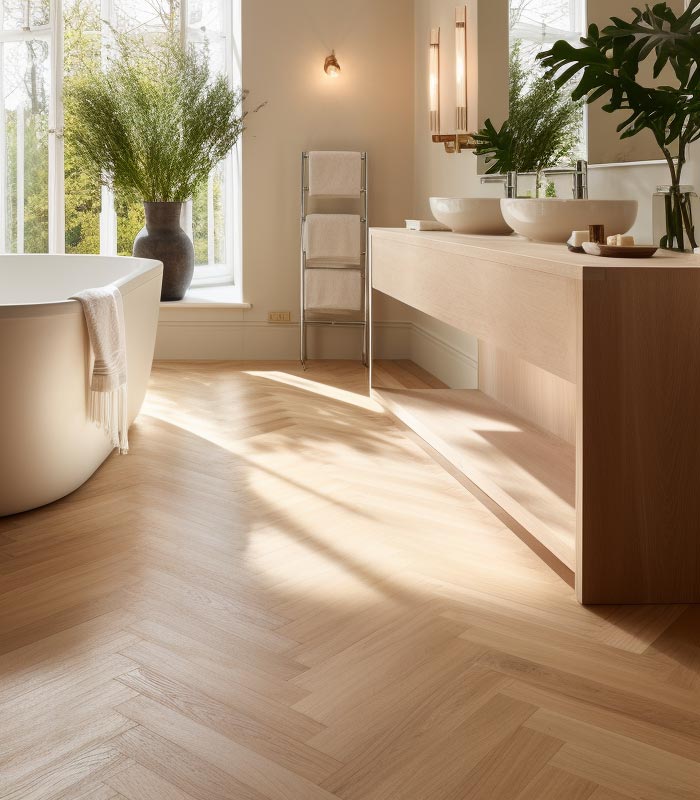
Yes. LVT flooring is well suited to kitchens and bathrooms due to its waterproof construction and durable, sealed wear layer. It performs well in areas where spills, splashes, and humidity are common, provided basic care is followed.

In bathrooms, ensure:

  • Spills and standing water are wiped up promptly
  • Adequate ventilation is maintained
  • Water is not allowed to pool at edges, joints, or beneath mats

When installed and maintained correctly, LVT is one of the most practical flooring options for moisture-prone areas.

What is the best way to clean LVT flooring?

Regular sweeping or vacuuming to remove grit, followed by occasional cleaning with a slightly damp microfibre mop and a pH-neutral vinyl floor cleaner, is the safest and most effective method.

Is LVT suitable for homes with pets?

Yes, LVT is suitable for homes with pets. Keeping claws trimmed, removing grit regularly, and cleaning up accidents promptly will help minimise wear and prevent moisture-related issues.

Can damaged planks be replaced?

Yes, but the method depends on the system:

  • Click LVT (SPC): Planks can often be unclipped and replaced if accessible.
  • Glue-Down LVT: Planks can usually be cut out and re-bonded, typically by a professional.

Always retain spare planks from your original order to ensure a colour and batch match.

Do I need to reseal or refinish LVT flooring?

No. LVT flooring does not require sealing, polishing, or refinishing. The factory-applied wear layer provides long-term protection, and regular cleaning with suitable products is all that’s needed to maintain the surface.

Will sunlight cause LVT flooring to fade?

Modern LVT flooring features UV-stabilised wear layers designed to reduce fading and colour change. In normal residential conditions, this offers excellent colour stability.
However, prolonged exposure to intense, direct sunlight may still cause gradual, natural colour variation over time. Using blinds, curtains, or UV-filtering window treatments helps minimise this effect.

Will furniture or office chairs damage LVT flooring?

LVT flooring is designed with a durable, scratch-resistant wear layer, making it well suited to everyday furniture and office use. However, very heavy items or rolling loads can still cause wear over time if not protected.
Using felt pads, soft-wheel castors, or protective chair mats helps distribute weight evenly and minimise surface marking.

author-avatar

About Floor Warehouse

Floor Warehouse is a UK-based flooring specialist with over 15 years of combined industry experience in sourcing, selling, and advising on wood, laminate, SPC, and LVT flooring. Our expert advice is written to help homeowners, designers, and trade professionals make informed flooring decisions — from installation and maintenance to underfloor heating compatibility, sustainability, and long-term performance. All guidance is based on real-world product knowledge, manufacturer standards, and common questions we see every day from customers across the UK.