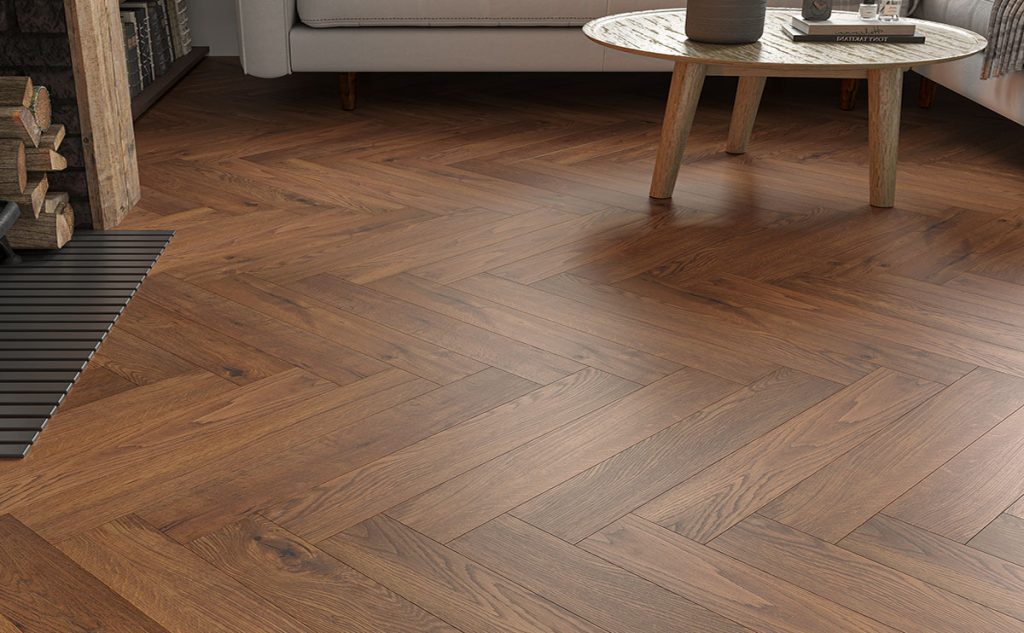
Wood flooring is designed to last for decades, but as a natural material, it performs best when cared for correctly. Proper cleaning and maintenance help protect the surface finish, reduce wear, and preserve the appearance of your floor over time. This guide explains how to clean, protect, and maintain your wood flooring so it continues to look its best for many years.

1. Everyday + Weekly Cleaning

Wood floors wear best when dust, grit, and debris are kept off the surface. Fine particles act like sandpaper underfoot and are one of the most common causes of premature wear.

Daily / Regular Cleaning

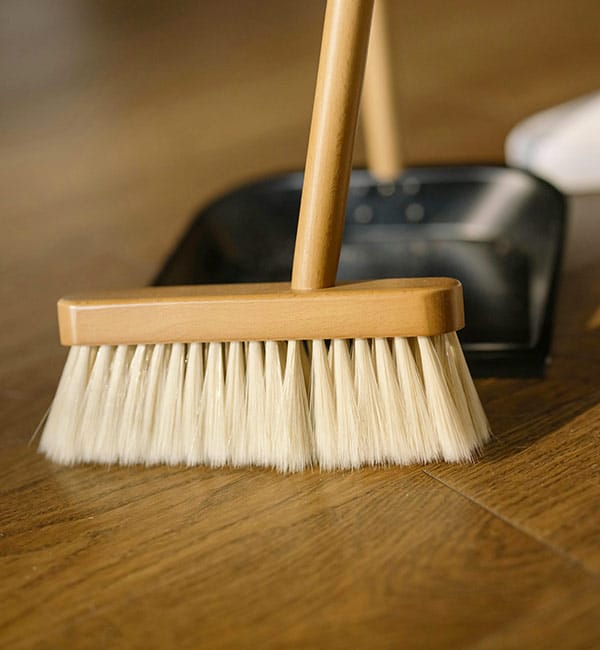
  • Sweep (soft bristle) or dry-mop using a soft microfibre mop, which is particularly effective at capturing fine grit.
  • If using a vacuum cleaner, ensure the soft brush or hard floor attachment is on to avoid scratching the surface.

Weekly Cleaning

  • Use a lightly damp, well-wrung mop (not wet).
  • Never pour water directly onto the floor — standing moisture can lead to swelling, warping or joint damage.
  • If using a cleaner, choose one designed specifically for wood floors and appropriate to your finish (see Section 3).

🚫 Avoid: steam mops, bleach, abrasive cleaners, washing-up liquid, or vinegar mixes — all can damage the protective finish.

Cleaning Wood Floor

2. Humidity & Temperature

Wood flooring is a natural material and will expand and contract in response to changes in temperature and humidity. Managing your indoor environment is essential to maintaining the stability, appearance, and long-term performance of both engineered and solid wood floors.

  • Aim to maintain indoor relative humidity between 40–60% wherever possible.
  • Keep room temperatures consistent and moderate, avoiding extremes.
  • In very dry winter conditions or during humid summer periods, the use of a humidifier or dehumidifier may help stabilise the environment.

Seasonal movement is normal in wood flooring. Minor gaps appearing during colder, drier months — and closing again in warmer, more humid conditions — are part of the natural behaviour of wood and are not considered a defect.

Underfloor Heating

If your flooring is installed over underfloor heating:

  • Avoid sudden temperature changes. Increase or decrease temperatures gradually, typically by no more than a few degrees per day.
  • Ensure the heating system is used to maintain a stable background temperature, rather than frequent on/off cycles.

For more detailed guidance on engineered wood flooring used with underfloor heating systems, please refer to our Underfloor Heating with Engineered Wood Flooring: A Comprehensive Guide.

3. Finishes Explained: Oiled vs Lacquered Wood Floors

The finish applied to your wood flooring affects not only how it looks and feels, but also how it should be cleaned and maintained over time. Understanding the difference between oiled and lacquered finishes will help you choose the correct care routine and avoid unnecessary damage.

Comparison of Common Wood Floor Finishes

FinishLook & FeelDay-to-Day CareLong-Term Maintenance
LacqueredSmooth, sealed surface with a consistent sheenEasy routine cleaning; surface repels light spillsWhen the lacquer layer wears through, a full sand and re-lacquer may be required
OiledNatural texture with a warm, matt appearanceRequires correct cleaning products to avoid drying the surfaceCan be refreshed and maintained with oil, often without full sanding

What this means in practice

  • Lacquered floors form a protective layer on top of the wood, making them more resistant to everyday spills and easier to maintain in busy households. However, once the lacquer is worn through, localised repairs are difficult.
  • Oiled floors penetrate into the wood fibres rather than sitting on the surface. This gives a more natural look and allows for easier spot maintenance, but they require periodic re-oiling to keep the surface protected.

Neither finish is “better” — the right choice depends on your lifestyle, expectations, and willingness to carry out ongoing maintenance.

4. Naturally Oiled Floors – Extra Protection with Hardwax Oil

If your floor is finished with a natural oil (rather than a factory-applied UV-cured oil), additional surface protection can be achieved by applying a hardwax oil. This helps improve resistance to stains and everyday wear while retaining the floor’s natural, matt appearance.

Hardwax oils, when correctly applied, combine natural oils and waxes to protect both within the wood and at the surface, making them well suited to busy households.

We recommend Treatex Hardwax Oil, a professional-grade, low-VOC finish known for its durability and ease of maintenance.

Best time to apply

The ideal time to apply hardwax oil is shortly after installation, while the floor is clean, dust-free, and before furniture is introduced. This allows the oil to bond evenly and provides maximum initial protection.

Important guidance

Always carry out a small test patch in an inconspicuous area before full application, particularly if you are unsure how the oil will interact with an existing finish.

Follow the manufacturer’s application and drying instructions carefully.

Sample bottles are available and are recommended for testing compatibility and appearance.

Ongoing maintenance

Once treated, naturally oiled floors are typically easier to maintain, with protection refreshed through periodic maintenance oils, cleaners, or revitalising products rather than full sanding. See Treatex Cleaning & Maintenance products and guidance for further details.

Treatex-Hardwax-Oil-on-Church-Wooden-Floor

5. Cleaning Products

Using the correct cleaning products is essential for protecting the finish of your wood floor. General household cleaners are often too aggressive and can damage the surface, leave residues, or strip protective finishes over time.

Always choose a cleaner specifically formulated for wood flooring and appropriate to your floor’s finish.

Recommended Cleaners for Oiled Wood Floors

Oiled floors require cleaners that gently clean while helping maintain the oil content within the wood.

Suitable products include:

These products are designed to clean without drying the surface or breaking down the oil protection.

Recommended Cleaners for Lacquered Wood Floors

Lacquered floors benefit from cleaners formulated for sealed surfaces, which clean effectively without leaving smears or dulling the finish.

Suitable products include:

6. Long-Term Care & Re-Oiling

(Oiled Floors Only)

Oiled wood floors benefit from periodic maintenance to replenish the protective oil within the wood and maintain their appearance and durability over time.

  • Expect maintenance re-oiling approximately every 2–5 years, depending on foot traffic, usage, and cleaning habits.
  • Before re-oiling, the floor must be thoroughly cleaned and completely dry.
  • Maintenance oil should be applied thinly and evenly, in accordance with the product manufacturer’s instructions.
  • Allow the treated area to dry fully before use, avoiding foot traffic until curing is complete.

In many cases, maintenance oils are applied undiluted using a lint-free cloth or mop. Typical drying times are around 12 hours, though this may vary depending on the product used, room temperature, and ventilation.

For heavily worn areas, professional assessment may be recommended before attempting re-oiling.

Tip: Always carry out a small test area before treating the entire floor.

7. Preventing Scratches & Surface Wear

All wood floors will show signs of wear over time. The aim is not to eliminate wear completely, but to reduce unnecessary damage and keep the surface looking good for longer.

  • Fit felt pads or floor protectors under chair legs and furniture, and check them regularly for wear or trapped grit.
  • Avoid dragging furniture across the floor — always lift items when repositioning them.
  • Place quality doormats at all external entrances to reduce the amount of grit and debris brought into the home.
  • Use rugs or runners in high-traffic areas such as hallways, kitchens, and walkways.
  • Avoid walking on the floor with high heels (particularly without rubber tips), damaged footwear, or shoes with embedded grit, which can dent or scratch the surface.

Pets & Everyday Living

Wood flooring is suitable for homes with pets, but additional care is recommended:

  • Keep pet claws trimmed to reduce surface scratching.
  • Regularly remove grit and debris brought in from outdoors.
  • Place protective mats beneath food and water bowls to prevent wear and moisture exposure.

8. Spill & Moisture Protection

Wood flooring is not waterproof and should be protected from prolonged moisture exposure at all times.

  • Wipe up spills immediately. Liquids left on the surface can penetrate joints, causing staining, swelling, or distortion of the boards.
  • In kitchens, utility rooms, and similar areas, place protective mats near sinks, dishwashers, washing machines, and other water sources to reduce splash exposure.
  • Avoid leaving wet footwear, damp mats, or cleaning equipment in contact with the floor for extended periods.

Pet accidents, plant pots, and leaking appliances should be addressed promptly, as repeated or prolonged moisture exposure can lead to permanent damage.

Water Spillage on Wood Floor Joint

9. Light Repairs & Surface Touch-Ups

Minor surface damage can often be improved, but the suitability of any repair depends on the type of floor, the finish, and the depth of the damage.

  • Light surface scratches may be reduced or disguised using a suitable wood floor repair or touch-up kit matched to the floor colour and finish.
  • Deeper dents, gouges, or widespread wear may require professional repair. In some cases, sanding and refinishing may be possible, depending on the remaining wear layer. Engineered wood floors vary significantly and may allow between 1 and 7 sanding cycles, depending on construction.

Aggressive sanding, incorrect fillers, or unsuitable repair products can permanently damage the floor and should be avoided.

Quick Wood Floor Care FAQs

Will my wood floor show wear over time?

Yes. Wood flooring is a natural material and will respond to everyday use and its environment. Light surface wear, small marks, and subtle changes in appearance are expected over time and form part of the floor’s character rather than indicating a fault.

Are gaps between boards normal?

Minor gaps can appear during colder, drier months and usually close again as humidity levels rise. This seasonal movement is a normal characteristic of wood flooring.

Can I use steam cleaners or wet mops?

No. Steam cleaners and overly wet cleaning methods can force moisture into the joints and beneath the surface, leading to swelling or long-term damage. Wood floors should only be cleaned using dry methods or a lightly damp, well-wrung mop.

Is wood flooring suitable for homes with pets?

Yes, wood flooring can be suitable for homes with pets when cared for correctly. Regular cleaning to remove grit, keeping claws trimmed, and wiping up accidents promptly will help minimise wear and protect the surface.

What is the best thing to use to clean wood floors?

The best option is a wood floor cleaner specifically formulated for your floor’s finish (oiled or lacquered). Avoid general household cleaners, which can leave residues or damage the protective surface over time with harmful chemicals.

How do I clean oak flooring?

Oak flooring should be cleaned in the same way as other wood floors: remove dust and grit regularly using a soft broom or microfibre mop, then clean occasionally with a lightly damp mop and a wood-safe cleaner suitable for the floor’s finish. The species itself does not change the cleaning method.

How often should I oil my wood floors?

Oiled wood floors typically benefit from maintenance re-oiling every 2–5 years, depending on foot traffic, cleaning habits, and wear. High-use areas may require more frequent attention, and well-maintained areas much less frequent.

When should I seek professional advice?

If you notice persistent lifting, widespread damage, excessive gapping that does not resolve with seasonal changes, or failure of the surface finish, professional assessment is recommended before attempting repairs or refinishing.

author-avatar

About Floor Warehouse

Floor Warehouse is a UK-based flooring specialist with over 15 years of combined industry experience in sourcing, selling, and advising on wood, laminate, SPC, and LVT flooring. Our expert advice is written to help homeowners, designers, and trade professionals make informed flooring decisions — from installation and maintenance to underfloor heating compatibility, sustainability, and long-term performance. All guidance is based on real-world product knowledge, manufacturer standards, and common questions we see every day from customers across the UK.