Engineered wood flooring is a popular choice for many homeowners. It offers the beauty of hardwood with added durability and versatility.

But how much does it cost?

The answer isn’t straightforward. The cost of engineered wood flooring can vary widely, influenced by several factors. This article will delve into those factors—from wood species and plank sizes to installation methods and hidden expenses—while also sharing expert tips to help you make the best decisions.

By understanding these elements, you can make an informed choice for your flooring project. Let’s dive in.

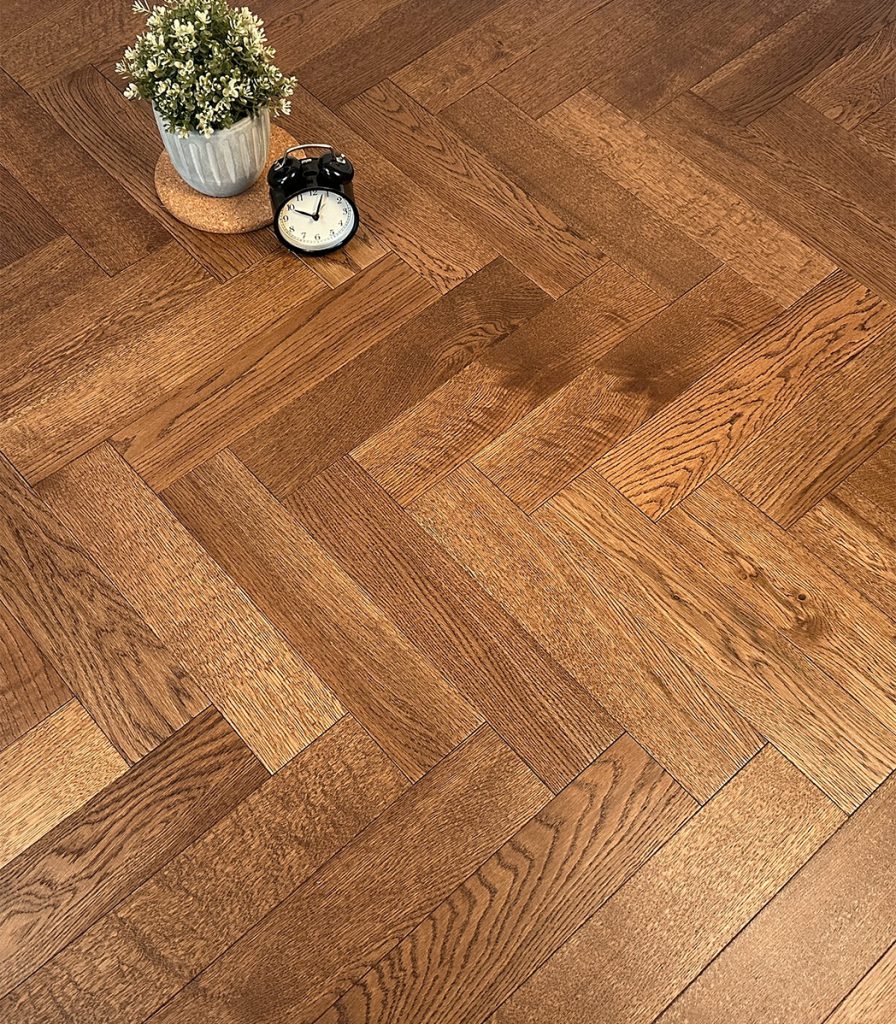
When deciding on the ideal parquet wood flooring for your home, the choice often boils down to the main two competitors’, a parquet in either a solid or engineered floor construction. Each version comes with its own advantages/disadvantages, and having a good grasp of these aspects can help you in making your decision on what to shop for. Let's delve into the specifics to help you determine which option best fits your requirements.

Understanding Engineered Wood Flooring

Engineered wood flooring combines layers of real wood (the veneer) with a plywood, softwood or high desity fibreboard core. This multi-layered design offers greater stability than traditional hardwood, making it less prone to warping from moisture and temperature changes.

Homeowners often choose this type of flooring for its resilience, particularly in areas like basements and kitchens. Additionally, engineered wood comes in a variety of finishes, allowing you to customise the look to suit your décor.

Engineered Wood vs. Solid Hardwood

Engineered wood consists of multiple layers, each contributing to its stability. In contrast, solid hardwood is one solid piece, making it more susceptible to expansion and contraction.

Engineered wood is generally more affordable and performs better in high-moisture environments. Many homeowners find it an attractive option if they’re budget-conscious yet still want a genuine wood appearance.

Cost Factors for Engineered Wood Flooring

The total cost of engineered wood flooring depends on various factors:

  1. Material Quality and Wood Species
  2. Plank Size and Thickness
  3. Finish and Texture Options
  4. Installation Method and Labour
  5. Additional Expenses (Underlayment, Tools, etc.)
  6. Subfloor Preparation
  7. Long-Term Maintenance and Repairs

Below, we’ll explore each factor in detail and include expert insights on how to optimise your choices.

1. Material Quality and Wood Species

Popular and Cost-Effective Species

  • Oak is by far the most popular species: It isn’t the cheapest, but it’s reasonably priced for its attractive grain pattern, ability to take on various stains, and widespread familiarity. Because oak is also used extensively in furniture, it’s easy to match with other décor.
  • Larch and Ash can be budget-friendly yet offer stunning aesthetics. However, because they’re less common, market availability can sometimes push their retail price higher. Their uniqueness makes them perfect for those wanting a quirkier or more distinctive look.

Balancing Cost and Aesthetics

Some exotic species command higher prices, but less common woods like larch or ash may still give you an eye-catching finish without the premium usually associated with rarer hardwoods.

2. Plank Size and Thickness

  • Wider planks tend to create a luxury feel but are more expensive.
  • Thicker boards (ranging from 10mm to 20mm total thickness) cost more upfront but can offer better stability over the long term.

Underfloor Heating Consideration

  • Thinner boards (around 10mm) heat up faster but cool down faster. Thicker boards (up to 20mm) take longer to warm but retain heat for longer, so in practice, these factors often balance out.
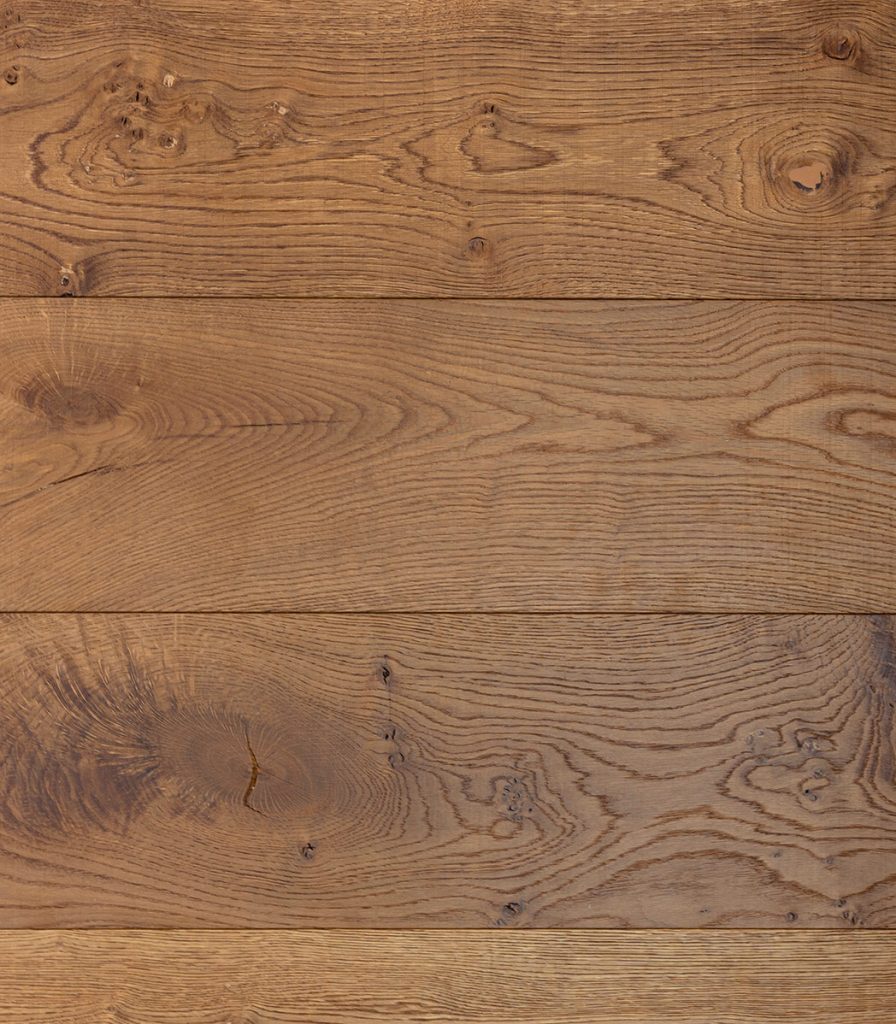
Oiled-Plank-Thick-Engineered-Oak-Flooring

3. Finish and Texture Options

  • Pre-finished floors might carry a higher initial price but can reduce installation costs and time.
  • Hand-scraped or textured designs add character but also raise the price.
  • Custom finishes can drive up costs significantly; a simpler smooth finish is generally more economical.

4. Installation Costs and Considerations

Choosing the Right Method

  • Glue-Down: Strongly recommended for parquet patterns and often preferred for planks. Securing the boards to the subfloor offers excellent stability and minimises the risk of gapping or hollow spots.
  • Floating: Faster and sometimes cheaper for DIY projects, but underlay choice is crucial—especially if underfloor heating is involved.
  • Nail-Down: More common with solid hardwood; less typical with engineered wood unless specified by the manufacturer.

Subfloor Conditions

No matter the method, a flat and secure subfloor is critical. Skimping on subfloor prep often leads to issues down the line, like squeaking or uneven boards. If the subfloor is slightly uneven, a 5mm rubber underlay or a specialised levelling compound can help correct minor imperfections.

Labour Costs

Labour rates can vary widely, sometimes up to £40 per square metre bewteen prices. Obtaining multiple quotes can help you find the right balance between cost and expertise.

For more expert advice on installation please visit our Flooring Installation Guides.

Flooring-Accessories-Underlay

5. Additional Expenses

Underlay and Acoustic Layers

  • Underlay enhances moisture protection and sound insulation.
  • Acoustic layers are often required in flats to comply with UK Building Regulations (Part E), which stipulates minimum standards for airborne and impact sound insulation between floors.

Tools, Adhesives, and Trims

  • Factor in the cost of adhesives if you choose glue-down installation.
  • Trims and mouldings create a finished look and are essential if you’re transitioning between different flooring types.

Delivery and Transportation

  • Some suppliers offer free local delivery, but if you’re ordering from a distance, delivery fees can add significantly to your budget.

6. Thickness, Veneer Depth, and Longevity

The veneer layer on engineered boards generally falls between 3mm and 6mm. The thicker it is, the more times it can be refinished—extending the floor’s lifespan. Refinishing typically removes 0.3–0.5mm of wood to strip away the old finish, and deeper scratches could require up to 1mm of sanding.

Key Insight: A properly maintained engineered floor with a 3–6mm veneer can last as long as many solid wood floors, since solid boards themselves often have about 6mm of usable material above the tongue-and-groove.

7. Maintenance and Repair Over Time

Engineered wood floors are relatively easy to maintain with routine cleaning. Occasional refinishing can restore their original look if scratches or wear become visible. For best results, invest in a good-quality floor finish and consider using felt pads under furniture to reduce the risk of scratches.

Expert Tips for Saving on Costs

  • Time Your Purchase
    Look out for sales (e.g., Black Friday, Cyber Monday) or target the late December to early January period, when flooring retailers typically experience lower demand and may offer bigger discounts.
  • Look for Clearance Deals
    Stores often discontinue certain product lines to make space for new ones. You can sometimes find premium products at significantly reduced prices.
  • Consider Board Dimensions
    Thinner, narrower, or shorter boards are usually less expensive to produce and therefore cheaper for the customer.
  • Shop Around for Fitters
    Get multiple quotes to compare labour costs. Be sure to ask about the fitter’s experience with engineered wood to avoid costly mistakes.

British Standards: Part E Sound Insulation

If you live in a flat or share floors/ceilings with neighbours, be aware of Part E of the UK Building Regulations. It requires a minimum of 45 dB airborne sound insulation and 62 dB impact sound insulation. Using appropriate acoustic underlays or insulating layers can help you meet these requirements and avoid noise complaints.

Conclusion: Making an Informed Decision

Budgeting for engineered wood flooring is about more than just the upfront material cost. You’ll need to consider subfloor preparation, underlay, installation methods, and potential extras such as trims and adhesives.

By factoring in wood species, board thickness, finishes, professional vs. DIY installation, and timing your purchase strategically, you can get an attractive, long-lasting floor without breaking the bank. When in doubt, consult with professionals, ensure your subfloor is well-prepared, and invest in good-quality materials for results that will stand the test of time.

Final Note

Throughout your flooring project, planning ahead is essential. Check building regulations if you’re in a shared or multi-storey setup, and do thorough research on both materials and labour before making any commitments. With thoughtful preparation and the right products, your engineered wood floor will be a durable, stylish addition to your home for years to come.

Quick Reference Checklist

  1. Choose the Right Species: Oak for familiarity and versatility; consider larch or ash for a unique look.
  2. Plan Installation: Glue-down often recommended for stability, but floating methods are common with the right underlay.
  3. Prep the Subfloor: Don’t cut corners; an even, solid base prevents many future issues.
  4. Account for Extra Costs: Underlay, delivery, adhesives, trims, and potentially a fitter.
  5. Think About Regulations: Especially Part E for sound insulation in flats.
  6. Look for Savings: Sales, clearance stock, off-peak installation, and simpler board sizes.
  7. Veneer Thickness: Aim for 3–6mm for refinishing potential.
  8. Maintenance: Clean regularly, refinish when needed, and protect from heavy furniture scratches.
author-avatar

About Floor Warehouse

Floor Warehouse is a UK-based flooring specialist with over 15 years of combined industry experience in sourcing, selling, and advising on wood, laminate, SPC, and LVT flooring. Our expert advice is written to help homeowners, designers, and trade professionals make informed flooring decisions — from installation and maintenance to underfloor heating compatibility, sustainability, and long-term performance. All guidance is based on real-world product knowledge, manufacturer standards, and common questions we see every day from customers across the UK.