How to Match Your Flooring to Your Wall Colours: A Complete Guide
When designing a space, wall and floor colours play a significant role in creating the overall aesthetic. Choosing the right combination ensures a harmonious and visually appealing look. This guide will help you confidently coordinate your flooring with your wall colours using simple tips, contrast techniques, and colour theory principles.
1. Understand Colour Theory Basics
Colour theory helps you achieve a balanced design by understanding how colours interact. Before choosing your flooring and wall colours, it’s crucial to understand these concepts:
- Complementary Colours: These are opposite each other on the colour wheel (e.g., blue and orange). They create a vibrant contrast and add energy to a space.
- Analogous Colours: These sit next to each other on the colour wheel (e.g., green and blue). They produce a serene, harmonious look.
- Monochromatic Colours: Variations of the same hue (e.g., different shades of beige or grey) create a cohesive, subtle appearance.
Use these principles to decide how much contrast or harmony you want between your walls and flooring.
2. Choosing Neutral Flooring for Versatility
Neutral flooring is a popular choice for modern interiors, offering flexibility to pair with a wide range of wall colours. Here's how to make neutral flooring work for you:
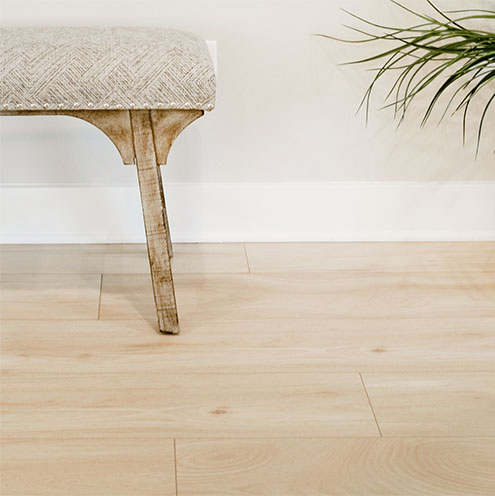
- Light Neutrals: Shades like white, beige, and light grey are ideal for creating a bright and airy atmosphere. These tones work well in small spaces as they reflect light and make a room feel larger.
- Pairing Tip: With light neutral floors, use darker walls for contrast, or stick to light wall colours for a seamless, open feel.
- Dark Neutrals: Charcoal, dark brown, or deep grey floors can make a statement. They add a sense of luxury and sophistication.
- Pairing Tip: To balance the look, lighter wall colours like cream, soft grey, or pastel shades prevent the room from feeling too heavy.
Neutral flooring is also versatile, so you can easily change the wall colours over time without worrying about clashing.
3. Create Contrast for Visual Interest
If you want to add depth and dimension to a space, contrast is key. Contrasting your flooring and wall colours makes both elements stand out, adding character to the room.
- Light Floors with Dark Walls: A light floor and dark wall pairing creates a striking contrast that draws attention upwards. This technique works well in spaces where you want the walls to be a focal point.
- Example: Light oak or whitewashed hardwood with navy blue or charcoal grey walls.
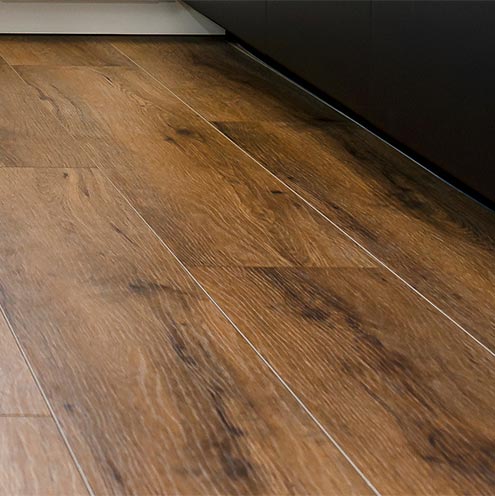
- Dark Floors with Light Walls: In reverse, dark flooring combined with light walls adds warmth and grounds the room, making the space feel more intimate.
- Example: Dark walnut or slate flooring with soft white or beige walls.
The key to a successful contrast is balance. Consider adding furniture or accessories that bridge the gap between the two extremes to create a cohesive design.
4. Matching Flooring to Wall Colours for a Cohesive Look
For those who prefer a subtle, coordinated style, matching your flooring and wall colours can create a serene and seamless look. Monochromatic or analogous schemes are great for this:
- Monochromatic Scheme: Use different shades of the same colour for both floors and walls to achieve a cohesive feel. This approach is perfect for minimalist or modern designs.
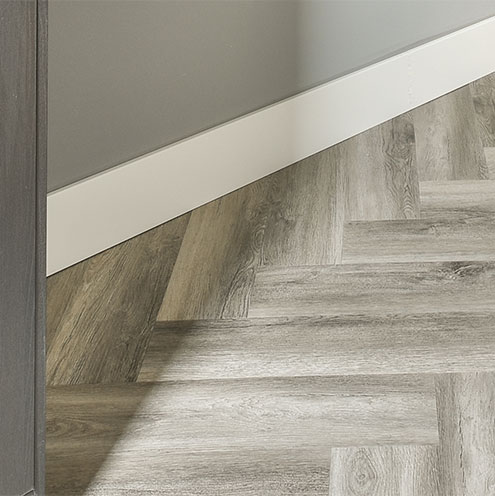
- Example: Soft grey walls with darker grey tiles or hardwood.
- Analogous Scheme: Pick colours that are close to each other on the colour wheel for a harmonious look. This is ideal for adding subtle variety without clashing.
- Example: Beige walls with light brown or taupe flooring.
Both methods keep the design unified while allowing for a calming atmosphere.
5. Coordinating With Accent Walls and Flooring Patterns
Incorporating accent walls or patterned floors adds another layer of complexity to your design. Here’s how to coordinate these elements:
- Accent Walls: If you’re using a bold colour or texture on an accent wall, keep the flooring neutral to avoid visual overwhelm. For example, a bold teal accent wall pairs well with light grey or beige flooring.
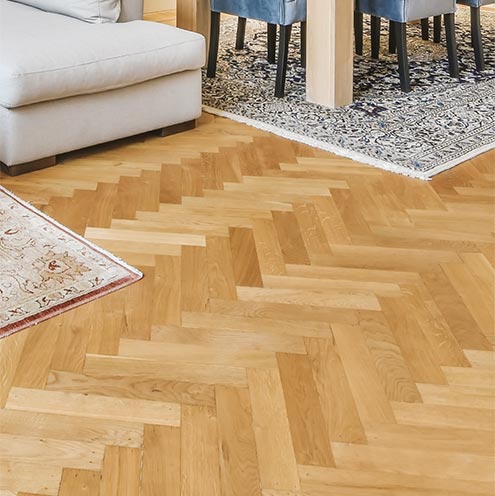
- Patterned Flooring: Patterned tiles or herringbone hardwood floors can be a focal point. In this case, choose a neutral or muted wall colour that complements rather than competes with the flooring.
The goal here is to let one element—either the floor or the wall—be the star of the room.
6. Room-Specific Considerations
Different rooms require different approaches to wall and floor colour matching. Here are some tips for specific spaces:
- Living Room: Go for warm tones to create a welcoming and comfortable environment. Neutral flooring with a pop of colour on the walls works well.
- Bedroom: Opt for calming colours such as soft blues, greens, or greys paired with light flooring to encourage relaxation.
- Kitchen: Flooring and walls in this space should be practical and easy to clean. Neutral colours with some contrast work best here to create a clean and functional space.
- Bathroom: Choose light or neutral floors with soft, soothing wall colours for a spa-like feel. Tiles in light grey, beige, or white are a popular choice.
Choosing the flooring to complement your wall colours involves finding the perfect blend of style and personal taste for a harmonious look in your space. Whether you prefer a contrast between hues or a coordinated colour palette throughout your room design – these tips will guide you towards creating a beautifully balanced interior design scheme. Opting for neutral flooring allows for flexibility in decor choices while embracing contrasting shades adds personality and cohesion to your home decor scheme. By taking into account colour theory principles and the specific needs of each room in your home, alongside incorporating walls and patterns strategically – you can achieve a visually appealing and well-coordinated living space that reflects your unique style!
SHOP BY CATEGORIES
Explore our flooring categories: engineered or solid wood, vinyl, and more. Easily find the perfect match for your space.
About Floor Warehouse
Floor Warehouse is a UK-based flooring specialist with over 15 years of combined industry experience in sourcing, selling, and advising on wood, laminate, SPC, and LVT flooring. Our expert advice is written to help homeowners, designers, and trade professionals make informed flooring decisions — from installation and maintenance to underfloor heating compatibility, sustainability, and long-term performance. All guidance is based on real-world product knowledge, manufacturer standards, and common questions we see every day from customers across the UK.
View all posts by Floor Warehouse