“A well-maintained wood floor can outlive you.” It's not uncommon for historic homes to boast original hardwood floors that are over a century old. But what about modern installations? Let's dive into the world of wood flooring longevity.

The Lifespan of Wood Flooring: It's Not Just About Time

Wood floors are champions of endurance. With proper care, they can last anywhere from 20 to 100 years or more. But in longevity, we aren’t just talking about the passage of time. It's about wear, tear, and tender loving care.

Several factors influence how long your wood flooring will last:

  1. Wood species
  2. Installation quality
  3. Foot traffic
  4. Maintenance routine
  5. Environmental conditions

Let's break each of these down.

Wood Species: Not All Trees Are Created Equal

The type of wood you choose matters. A lot. Harder woods like oak and walnut tend to outlast softer species like pine. The Janka hardness scale, which measures the resistance of wood to denting and wear, can be a useful guide. European Oak for instance, has a Janka rating of 1,120 lbf (5,000 N), while American Black Walnut comes in at 1,010 lbf (4,500 N). This difference in hardness translates directly to durability and longevity. Here's a quick rundown:

- Oak: 100+ years

- walnut: 50-80 years

- Pine: 30-50 year

But don't write off softer woods just yet! With proper care, even a pine floor can surprise you with its longevity. The key lies in understanding your wood's characteristics and adapting your care routine accordingly.

Installation: The Foundation of Longevity

A floor is only as good as how it was installed. Poor installation can lead to premature wear, warping, and gaps. The National Wood Flooring Association reports that improper installation is responsible for 70% of wood floor failures. This statistic underscores the importance of professional installation. A skilled installer will consider factors like subfloor condition, moisture levels, and proper acclimation of the wood. They'll also ensure correct expansion gaps and use appropriate fixing methods. All these details contribute to a floor that starts off on the right foot (pun intended!).

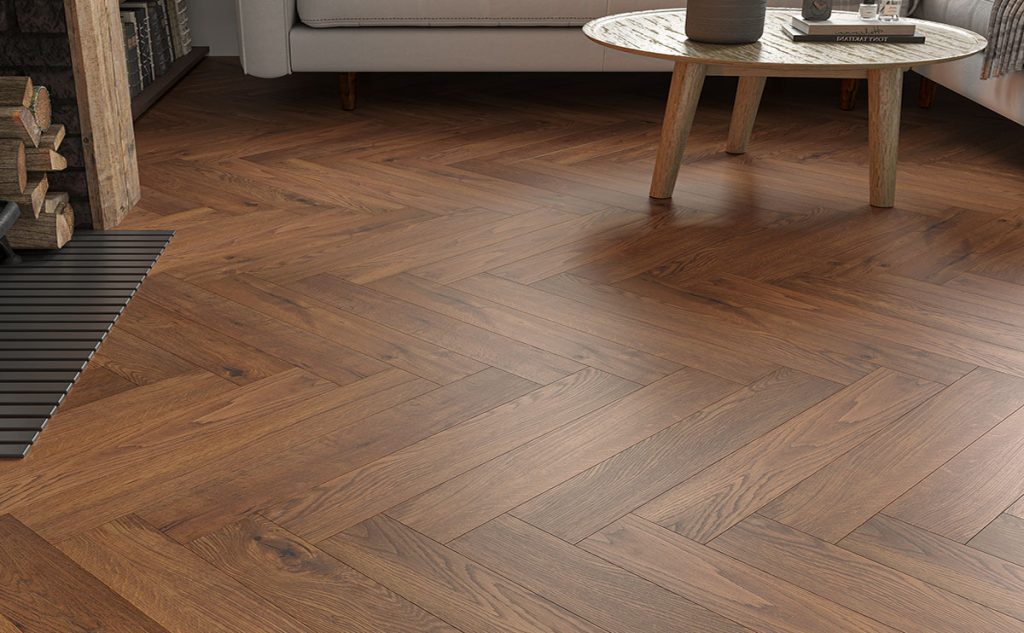
Cream-Colour-oak-flooring-in-a-large-living-room,-well-maintained

Foot Traffic: The Daily Grind

High-traffic areas will naturally wear faster. That's just life. According to a study by the UK's National Health Service, the average Briton takes about 3,000-4,000 steps per day. Multiply that by the number of people in your household, and you'll get an idea of the daily abuse your floors endure. But don't despair! There are ways to mitigate this wear and extend your floor's lifespan. Consider these strategies:

  1. Using area rugs in high-traffic zones
  2. Implementing a no-shoes policy indoors
  3. Trimming pet nails regularly

Small changes can make a big difference in your floor's lifespan. By distributing wear more evenly and reducing the amount of grit and moisture tracked onto your floors, you can significantly extend the flooring’s life.

Maintenance: Love Your Floors, and They'll Love You Back

Regular maintenance is key. According to a survey by the British Woodworking Federation, homeowners who follow a regular maintenance routine can extend their floor's life by up to 30%. That's potentially decades of additional beauty and function! Here's a simple routine that can add years to your floor's life:

- Daily: Sweep or vacuum

- Weekly: Damp mop (not wet!)

- Annually: Deep clean and recoat if necessary

- Every 10-20 years: Sand and refinish

Remember, prevention is better than cure. Clean spills immediately and use furniture pads to prevent scratches. These small habits can save you from costly repairs down the line.

Environmental Factors: The Silent Killers

Humidity and temperature fluctuations can wreak havoc on wood floors. Wood is hygroscopic, meaning it absorbs and releases moisture in response to its environment. This property can cause your floors to expand, contract, cup, or crown if not properly managed. The Wood Window Alliance recommends maintaining a consistent indoor environment to protect your wood floors. Here are the ideal conditions:

  • Temperature: 16-27°C (60-80°F)
  • Humidity: 35-55%

Use a hygrometer to monitor humidity levels. Your floors will thank you. In fact, maintaining these conditions can prevent up to 90% of wood floor problems related to environmental factors.

The Bottom Line: It's Up to You

Wood flooring can last a lifetime—or more. But its longevity is largely in your hands. With the right care, your floors could be admired by generations to come. Consider this: a well-maintained wood floor doesn't just retain its beauty; it can also increase your home's value. The National Association of Realtors reports that homes with wood floors sell faster and for more money than those without.

Remember, a well-maintained wood floor isn't just a surface to walk on. It's a living piece of your home's history, gaining character and beauty with each passing year. Treat it right, and it will reward you with timeless elegance for decades to come.

author-avatar

About Floor Warehouse

Floor Warehouse is a UK-based flooring specialist with over 15 years of combined industry experience in sourcing, selling, and advising on wood, laminate, SPC, and LVT flooring. Our expert advice is written to help homeowners, designers, and trade professionals make informed flooring decisions — from installation and maintenance to underfloor heating compatibility, sustainability, and long-term performance. All guidance is based on real-world product knowledge, manufacturer standards, and common questions we see every day from customers across the UK.