When it comes to choosing the right flooring for your home or business, the options can be overwhelming. Two popular choices are SPC flooring, better known as LVT Click flooring and traditional flooring types like hardwood, laminate, and ceramic tiles. Each has its own set of advantages and disadvantages, making it crucial to understand the differences before making an informed decision on your next new floor.

What is SPC / LVT Click Flooring?

SPC stands for Stone Plastic Composite or stone polymer composite, used interchangeably, and LVT stands for Luxury Vinyl Tiles. SPC LVT Click flooring is a type of durable vinyl flooring that has gained popularity for its resilience and ease of installation. The "click" part of the name refers to the interlocking joint mechanism that makes it easy to install without the need for glue or nails.

Composition and Structure

SPC LVT Click flooring is like the superhero of vinyl floors. It has:

  • A UV-protected top layer for scratch resistance
  • A transparent wear layer for extra durability
  • A decorative print layer that mimics real wood or stone
  • A rigid SPC core that’s waterproof and rock solid
  • A built-in underlay for sound absorption and comfort

This makes it sturdy enough for high-traffic areas while still looking like premium wood or tile. Bonus? It feels great underfoot.

Benefits of SPC LVT Click Flooring

SPC LVT Click flooring is known for its high durability and water resistance, making it an excellent choice for areas prone to moisture, such as kitchens and bathrooms. It is also highly resistant to scratches and dents, which is perfect for high-traffic areas, homes with pets or people that want a low maintenance floor.

  • Durability: The stone composite rigid core makes SPC flooring extremely durable, capable of withstanding heavy foot traffic and impacts. This stuff is tough. The stone composite core handles heavy traffic, dropped pans, zooming pets, and wild toddlers without blinking. It’s one of the most durable indoor floor options out there.
  • Water Resistance: Unlike traditional wood flooring, SPC LVT Click is practically waterproof. You can spill, mop, and even have steamy showers nearby—it won’t warp, swell, or stain. Perfect for kitchens, bathrooms, and utility rooms.
  • Scratch & Dent Resistance: The combined transparent hardened wear layer and top anti-scratch Aluminium Oxide UV coating makes for some of the hardest wearing interior flooring. Pets? No problem. High heels? Go ahead. The anti-scratch layer with UV protection handles it all, resisting everyday damage like a champ.
  • Ease of Installation: The click-lock system simplifies installation, allowing DIY enthusiasts to tackle the project without professional help. Click-lock installation = no glue, nails, or expensive tools. You can literally snap it together. It’s so satisfying, too.
  • Built In Underlay: SPC flooring also has a built-in underlay which gives great impact sound absorption and an excellent feeling underfoot. Also removing the need to buy underlay separately. Great for flats or homes with kids and pets.
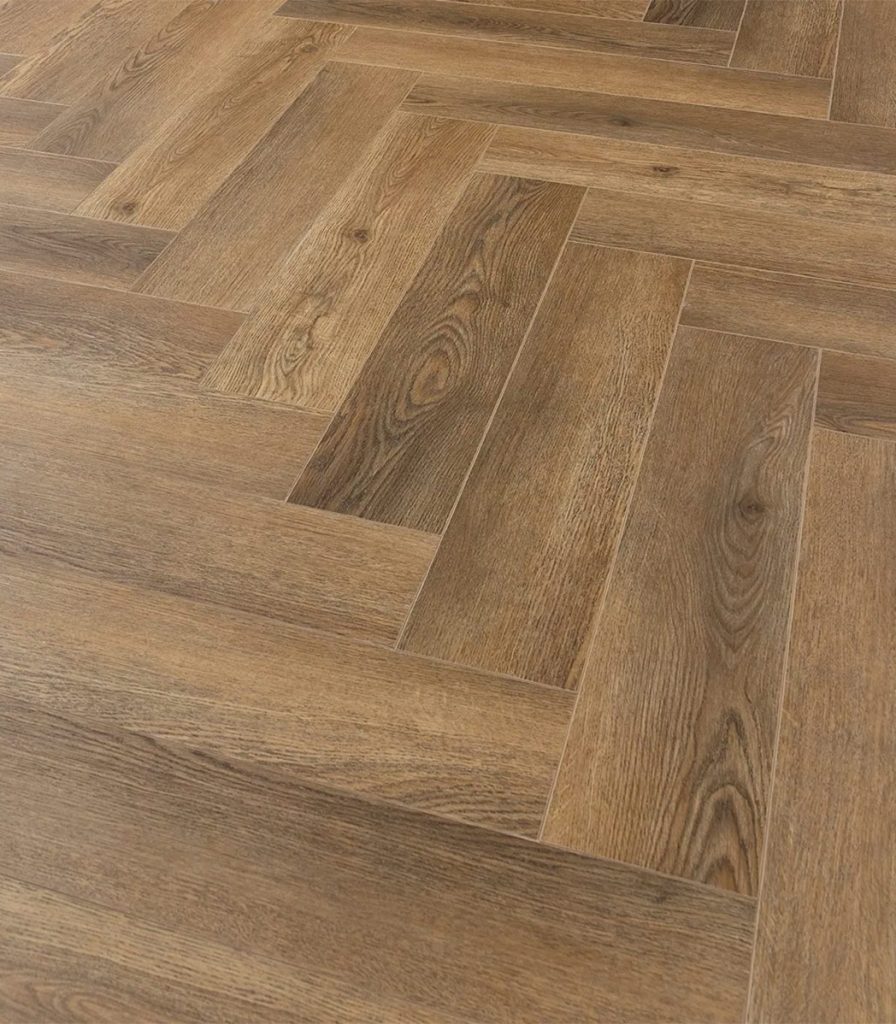
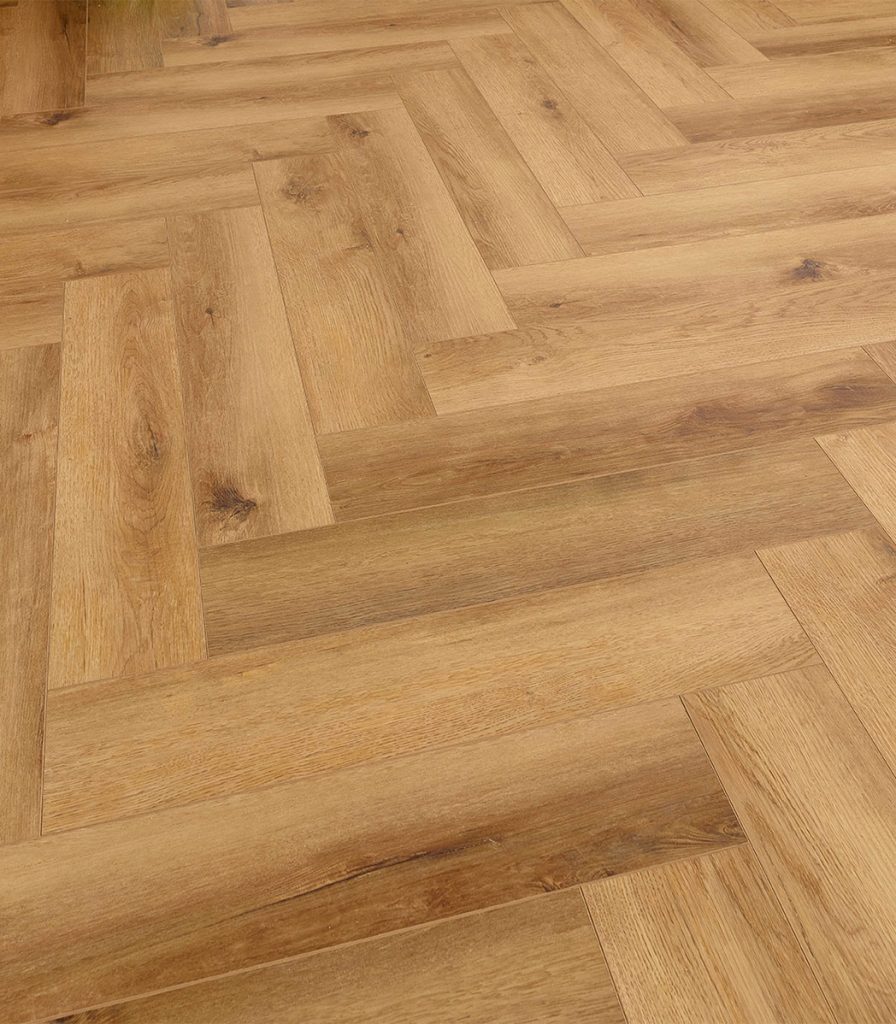
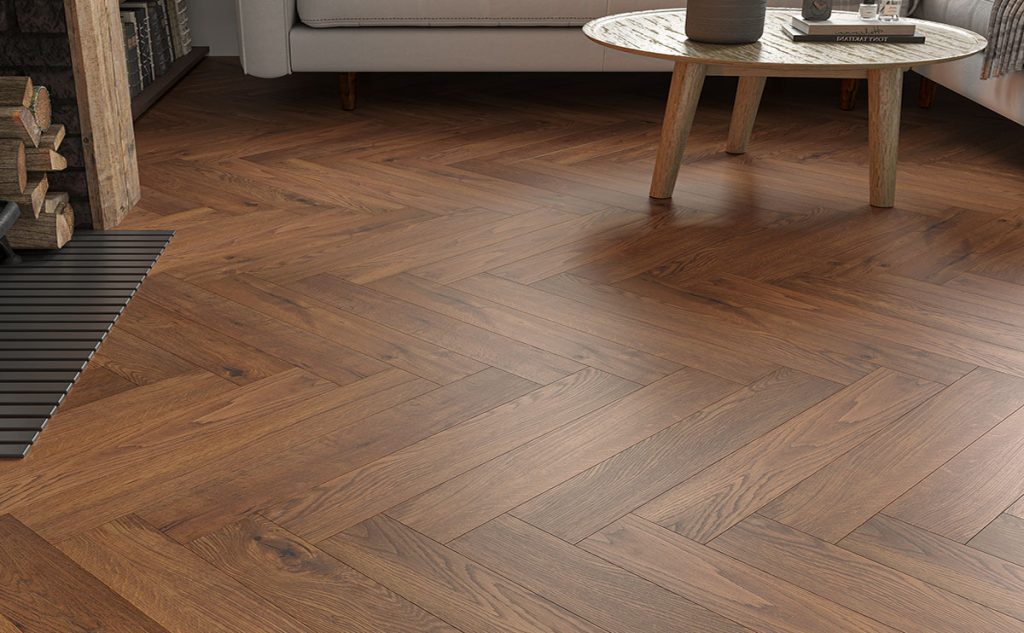
  • Aesthetic Versatility: From rustic oak to sleek marble effects, SPC LVT Click flooring comes in loads of designs. Want herringbone? Done. Stone tile look? Easy. It nails the aesthetic without the maintenance fuss.

Comparing with Traditional Flooring

Traditional flooring options like hardwood (Solid & engineered), laminate, and ceramic tiles have been around for decades and offer their own unique benefits.

Hardwood Flooring

Hardwood is timeless. It’s beautiful, natural, and adds serious value to your home. But it’s also high-maintenance and not water-friendly.

  • Pros: Natural material beauty, long-lasting, adds property value
  • Cons: Expensive, scratches easily, hates moisture

Laminate Flooring

Laminate flooring is a more affordable alternative to hardwood, offering a similar appearance without the cost. It is durable but can be damaged by water if not properly sealed.

  • Pros: Cost-effective, easy to clean, scratch-resistant.
  • Cons: Can swell with water exposure, less authentic appearance.

Ceramic Tiles

Tiles are classics for wet rooms. Super durable and water-resistant, but cold and hard on the feet. Plus, grout is a nightmare to clean.

  • Pros: Water-resistant, long-lasting, great for bathrooms
  • Cons: Cold, unforgiving, grout maintenance
Kensington Cream Herringbone, 5mm - SPC Rigid Core Click LVT Floor

Cost Considerations

Cost is a significant factor when choosing flooring. SPC LVT Click flooring tends to be more affordable than hardwood but can be similar in price to high-end laminate and tile options.

  • SPC LVT Click: Mid-range, but saves on underlay and installation and lasts long.
  • Hardwood: High-end, especially for solid wood
  • Laminate: Affordable, but may need separate underlay
  • Tiles: Varies, but installation costs can be high

Installation Costs

SPC wins here. It’s DIY-friendly, so you save. Hardwood and tile often need professionals, adding to the total.

Installation Methods Compared

  • SPC LVT Click: Snap together, easy DIY
  • Hardwood: Nail or glue-down, professional install often needed
  • Laminate: Click system, DIY-friendly
  • Tiles: Mortar and grout, professional recommended

Long-term Investment

While SPC LVT Click flooring might have a slightly higher upfront cost than some traditional options like laminate, its durability and low maintenance can make it more cost-effective in the long run. Hardwood, despite its high cost, can increase property value and may be seen as an investment.

Environmental Considerations

Environmental Impact

Eco-friendliness is an essential consideration for many homeowners. Traditional wood flooring is natural but can contribute to deforestation. SPC LVT Click flooring is made from synthetic materials, but many manufacturers use recycled materials and sustainable practices.

Sustainability

  • Hardwood: Natural, but check for FSC certification to ensure it’s sustainably sourced.
  • SPC LVT: Synthetic, but many brands now use recycled materials and low-VOC (volatile organic compound) emissions.

Look for certifications like FloorScore or Greenguard if eco-friendliness matters to you.

Maintenance and Longevity

The maintenance requirements and longevity of flooring can impact your decision. SPC LVT Click flooring is low-maintenance, requiring only regular sweeping and occasional mopping. Traditional options may need more care, with hardwood requiring polishing and refinishing over time.

SPC LVT Click: Easy—just sweep and mop occasionally. It resists wear for 15-25 years.

Hardwood: Needs regular care, polishing, and can be refinished.

Laminate: Low maintenance but avoid water exposure.

Tiles: Durable but grout needs TLC.

Durability Comparison

Which floor survives the apocalypse (or at least a toddler tantrum)?

  • SPC LVT Click: Top marks for water, scratch, and impact resistance.
  • Hardwood: Durable but fragile around water.
  • Laminate: Tough but water-sensitive.
  • Tiles: Hard as nails, but can crack.

Where Each Flooring Works Best

  • SPC LVT Click: Kitchens, bathrooms, hallways, living rooms
  • Hardwood: Bedrooms, lounges
  • Laminate: Bedrooms, living areas (not bathrooms)
  • Tiles: Bathrooms, kitchens

Choosing between SPC LVT Click flooring and traditional flooring options depends on your specific needs and preferences. If you prioritise durability, water resistance, and ease of installation, SPC LVT Click is an excellent choice. For those seeking natural beauty and long-term value, engineered hardwood may be worth the investment.

author-avatar

About Floor Warehouse

Floor Warehouse is a UK-based flooring specialist with over 15 years of combined industry experience in sourcing, selling, and advising on wood, laminate, SPC, and LVT flooring. Our expert advice is written to help homeowners, designers, and trade professionals make informed flooring decisions — from installation and maintenance to underfloor heating compatibility, sustainability, and long-term performance. All guidance is based on real-world product knowledge, manufacturer standards, and common questions we see every day from customers across the UK.