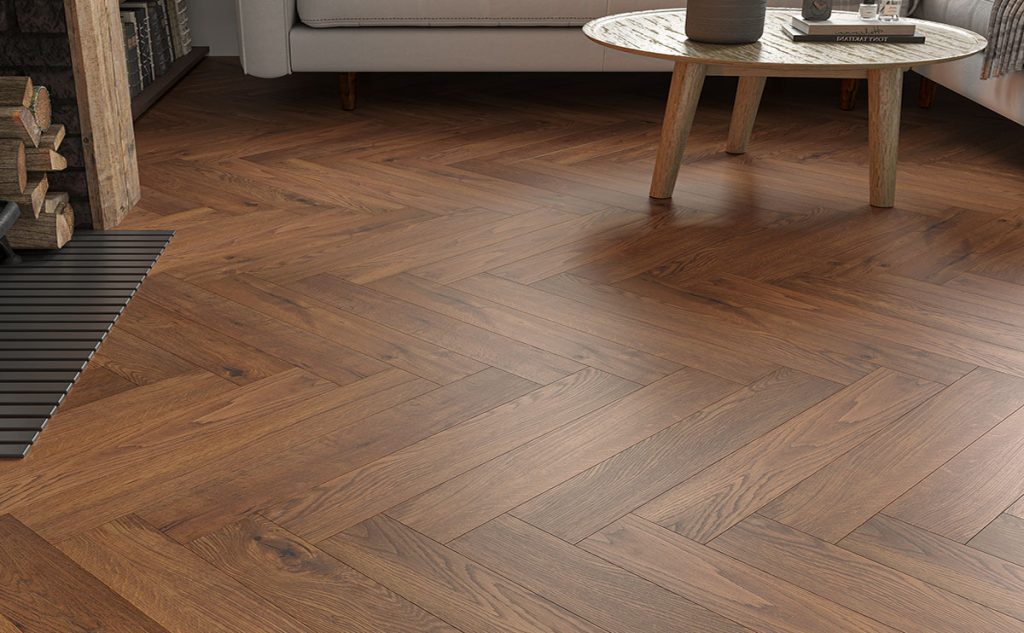
Underfloor heating is an increasingly popular choice in modern homes, offering even heat distribution and improved comfort compared to traditional radiators. When paired with the right flooring, it can deliver reliable, long-term performance. Click LVT with an SPC (Stone Polymer Composite) rigid core is often chosen for use with underfloor heating due to its stability and resistance to moisture — but correct specification and installation are essential.

This guide explains how SPC flooring should be selected, prepared, installed, and used over underfloor heating systems. It covers system compatibility, temperature limits, subfloor requirements, installation methods, and ongoing operation, based on current manufacturer guidance and real-world installation practice rather than theory.

While SPC flooring is suitable for use with underfloor heating, performance depends on getting the details right. Factors such as heating system type, expansion allowances, temperature control, and correct commissioning all play a critical role. The sections below set out clear, practical guidance to help ensure your SPC flooring performs safely and consistently over time.

1. Can Click LVT (SPC) Flooring Be Used with Underfloor Heating?

Yes — click LVT with an SPC (Stone Polymer Composite) rigid core can be used with underfloor heating, provided the system is compatible and installation guidelines are followed correctly.

SPC flooring is designed to offer greater dimensional stability than traditional vinyl floors. Its rigid core construction helps reduce movement when exposed to heat, making it suitable for use over underfloor heating systems when installed under controlled conditions.

SPC vs Traditional Vinyl in Heated Environments

While both SPC and traditional glue-down vinyl are forms of LVT, they behave differently when exposed to heat.

  • SPC (Rigid Core) LVT
    SPC floors are more resistant to expansion and contraction due to their dense, rigid core. This makes them better suited to temperature fluctuations commonly associated with underfloor heating, provided expansion allowances and temperature limits are respected.
  • Traditional Vinyl (Flexible LVT)
    Flexible vinyl relies more heavily on adhesive performance and subfloor stability. It responds differently to heat and is typically managed through full bonding rather than floating installation.

This difference is important, as SPC flooring is installed as a floating floor, making movement control, expansion gaps, and temperature regulation critical.

Maximum Surface Temperature Limits

SPC flooring installed over underfloor heating must operate within strict temperature limits.

As a general rule:

  • The maximum permitted floor surface temperature should not exceed 27°C
  • Some manufacturers allow up to 28°C, but operating at the lower limit provides a greater safety margin

These limits refer to the surface temperature of the floor, not the air temperature shown on the thermostat. Exceeding them can lead to movement, joint stress, or long-term performance issues.

Important Compatibility Considerations

While SPC flooring is suitable for use with underfloor heating, compatibility is not automatic.

Performance depends on:

  • The type of underfloor heating system (most SPC products are warranted for water-based systems)
  • The condition, moisture content, and flatness of the subfloor
  • Correct expansion gaps and floating installation methods
  • Controlled temperature management before, during, and after installation

For best results, always follow the most restrictive guidance provided by the flooring manufacturer and the underfloor heating system supplier.

2. Types of Underfloor Heating Systems

Click LVT with an SPC rigid core can be used with underfloor heating, but the type of system plays a significant role in long-term performance and warranty compatibility. Heat delivery method, response speed, and temperature stability all affect how SPC flooring behaves once installed.

2.1 Water-Based (Hydronic) Underfloor Heating

Water-based underfloor heating systems circulate warm water through pipes embedded in or beneath the subfloor.

Key characteristics:

  • Stable, even heat delivery
  • Gradual temperature changes
  • Well suited to larger floor areas
  • Commonly approved and fully warranted by SPC flooring manufacturers

Because hydronic systems heat up and cool down more slowly, they place less stress on floating SPC floors. This controlled heat profile makes them the preferred and most widely supported option for use with click LVT over underfloor heating.

2.2 Electric Underfloor Heating

Electric underfloor heating systems use heating cables or mats installed beneath the floor surface.

Key characteristics:

  • Faster response times
  • More rapid temperature changes
  • Typically used in smaller rooms such as bathrooms or kitchens

Due to the speed at which electric systems can change temperature, they require stricter control when used with SPC flooring. Sudden heat increases can place stress on floating joints and expansion allowances.

For this reason, many SPC manufacturers exclude electric radiant heating systems from warranty coverage, or apply additional conditions when they are used. Where electric underfloor heating is specified, it is essential to confirm compatibility with the flooring manufacturer and to ensure accurate temperature limiting via floor sensors and thermostats.

Water-Based (Hydronic) Underfloor Heating
Electric Underfloor Heating

3. Choosing the Right SPC Flooring for UFH

Not all SPC flooring performs the same over underfloor heating. While rigid core construction offers improved stability compared to traditional vinyl, correct product selection and installation detail are essential to manage heat-related movement.

3.1 Rigid Core Construction & Heat Stability

SPC flooring uses a Stone Polymer Composite core, designed to provide increased dimensional stability when exposed to temperature changes. This rigid core helps reduce excessive expansion and contraction compared to flexible vinyl floors.

However, SPC is not completely immobile. When exposed to heat, it will still expand and contract to a degree, particularly across larger floor areas or where temperatures change rapidly.

Key considerations:

  • SPC cores handle gradual heat changes well
  • Rapid temperature increases place greater stress on joints and locking systems
  • Dimensional stability reduces movement but does not eliminate it

Thickness alone does not define performance. While thicker SPC products may feel more substantial underfoot, core composition, locking system quality, and installation tolerances are far more important factors when used over underfloor heating.

3.2 Click System Considerations

SPC flooring is installed as a floating click system, meaning it is not fixed to the subfloor. This installation method allows the floor to move naturally in response to temperature changes.

Because of this floating nature:

  • Expansion allowances are essential
  • The floor must never be restricted by walls, fixtures, or fixed furniture
  • Movement must be able to occur evenly across the floor area

Underfloor heating increases thermal movement within SPC flooring, which places greater importance on allowing the floor sufficient space to expand and contract freely. If movement is restricted at the perimeter or around fixed objects, stress can build within the floor and transfer into the locking system.

Failure to accommodate this natural movement is one of the most common causes of issues with SPC flooring installed over underfloor heating.

4. Subfloor Preparation & UFH Readiness

Correct subfloor preparation is critical when installing SPC flooring over underfloor heating. Rigid core SPC floors do not tolerate uneven, damp, or unstable substrates, and underfloor heating will not compensate for poor preparation.

UFH Installation & Commissioning Requirements

Before any SPC flooring is installed, the underfloor heating system must be:

  • Fully installed and operational
  • Tested in accordance with the heating supplier’s instructions
  • Properly commissioned

Where underfloor heating has been installed into a newly laid screed, the system must be run to maximum safe operating temperature prior to flooring installation to remove residual moisture from the subfloor. This process should always be carried out in line with the heating manufacturer’s guidance to avoid damage to the screed.

Underfloor heating must be switched off at least 24 hours before installation begins.

Moisture Testing Thresholds

SPC flooring is water-resistant but not a moisture barrier. Moisture levels within the subfloor must be verified before installation.

For areas with underfloor heating, typical maximum moisture levels are:

  • Cement-based screeds:1.50% CM
  • Anhydrite (calcium sulphate) screeds:0.50% CM

These limits are lower than those for non-heated floors due to the additional stresses introduced by heat. Installing SPC flooring over a damp subfloor significantly increases the risk of movement, joint stress, and long-term failure.

Flatness & Level Tolerances

Subfloor flatness is particularly critical for rigid SPC floors.

  • The subfloor must be flat, smooth, and free from ridges or depressions
  • Localised high points can create pressure zones that worsen when the floor is heated
  • Uneven substrates can cause locking system stress, noise, or joint separation

Any deviation outside acceptable tolerances must be corrected before installation begins.

UFH-Compatible Smoothing Compounds

Where levelling is required, only smoothing compounds approved for use with underfloor heating should be used.

UFH-compatible compounds are designed to:

  • Withstand repeated heating and cooling cycles
  • Maintain strength without cracking
  • Support consistent heat transfer across the floor

Standard levelling compounds not rated for UFH may fail when exposed to thermal movement.

Confirming Subfloor Readiness

SPC flooring should only be installed once the subfloor is confirmed to be:

  • Dry
  • Flat
  • Structurally sound
  • Thermally stable

Rushing installation before these conditions are met is one of the most common causes of SPC flooring problems over underfloor heating and may invalidate manufacturer warranties.

We have a full guide on subfloor preparation — please see:Essential Subfloor Preparation: The Key to Lasting Floors

UFH Rated Smoothing Compound Applied
Dry, Flat, Stable Subfloor

5. Installation Method: Floating Click Installation

SPC flooring is installed using a floating click system, meaning the boards are not fixed to the subfloor. This installation method is fundamental to how SPC performs over underfloor heating and must be respected at every stage.

Why SPC Is Installed Floating

The rigid core construction of SPC flooring is designed to move as a single, continuous surface in response to temperature changes. Floating installation allows this controlled movement to occur without placing stress on the boards or locking system.

Fixing SPC flooring to the subfloor, or restricting its movement, can lead to:

  • Joint separation or locking failure
  • Edge lift or tenting
  • Noise or instability when heated

For this reason, SPC flooring must always be installed as a floating floor when used over underfloor heating.

UFH-Approved Underlay Requirements

Most modern click LVT (SPC) flooring is supplied with a factory-integrated underlay backing. Where this is the case, no additional underlay should be installed beneath the floor.

The integrated backing is designed to:

  • Provide acoustic comfort
  • Support the locking system
  • Maintain controlled movement
  • Allow efficient heat transfer when used with underfloor heating

Adding an additional underlay beneath SPC flooring with a built-in backing can:

  • Increase thermal resistance and reduce heating efficiency
  • Create excessive softness underfoot
  • Place stress on the click joints
  • Lead to movement or locking failure

For SPC flooring with an integrated underlay:

  • The product must be installed directly onto the prepared subfloor
  • The subfloor must meet all flatness and moisture requirements
  • Underfloor heating compatibility depends on the flooring specification, not the use of extra underlay

If an SPC product does not include an integrated backing, only an underlay specifically approved by the flooring manufacturer for use with UFH should be used. In all cases, manufacturer instructions must take precedence.

Expansion Gaps & Fixed Objects

Because SPC flooring is installed floating, expansion gaps are critical, particularly when underfloor heating is present.

Key requirements:

  • A minimum expansion gap of 5mm must be maintained around the full perimeter of the room
  • Expansion gaps are required around:
    • Walls
    • Door frames and thresholds
    • Pipework
    • Fixed kitchen units and islands

SPC flooring must never be:

  • Trapped beneath fixed furniture
  • Pinned under cabinetry
  • Restricted by heavy objects fixed through the floor

In areas where underfloor heating is present next to unheated areas, expansion profiles should be used to allow independent movement between zones.

Failure to allow sufficient expansion space is one of the most common causes of SPC floor movement issues over underfloor heating.

For detailed installation instructions including preparation checks, and installation best practices, refer to our flooring installation guides.

6. UFH Temperature Control During Installation

Correct temperature control during installation is essential when fitting click LVT (SPC) flooring over underfloor heating. Most problems associated with heated floors occur at installation stage, not during normal use.

UFH Status During Installation

Underfloor heating should be switched off at least 24 hours before installation wherever possible.

If the system cannot be fully switched off, it must be restricted so that heat output remains low and stable. Sudden heat input during installation can cause premature expansion of the flooring and place stress on the locking system before the floor has settled.

This applies to both water-based and electric systems where permitted by the flooring manufacturer.

Maximum Floor Surface Temperature During Installation

During installation, the floor surface temperature must remain low and controlled.

As a general rule:

  • The floor surface temperature should not exceed 18°C during installation

This temperature refers to the surface of the subfloor or flooring, not the room air temperature shown on a thermostat.

Exceeding this limit during installation can:

  • Cause early expansion of SPC boards
  • Reduce working tolerance at joints
  • Increase the risk of locking stress or edge pressure once the floor is complete

Stable Conditions Are Essential

Temperature stability is just as important as temperature limits.

During installation:

  • UFH output must remain constant
  • Automatic heating cycles or programmed setbacks should be disabled
  • Temperatures should not be adjusted during the working day

Fluctuating temperatures introduce uneven expansion across the floor area, increasing the risk of movement or joint stress before the installation is complete.

Why Air Temperature Alone Is Insufficient

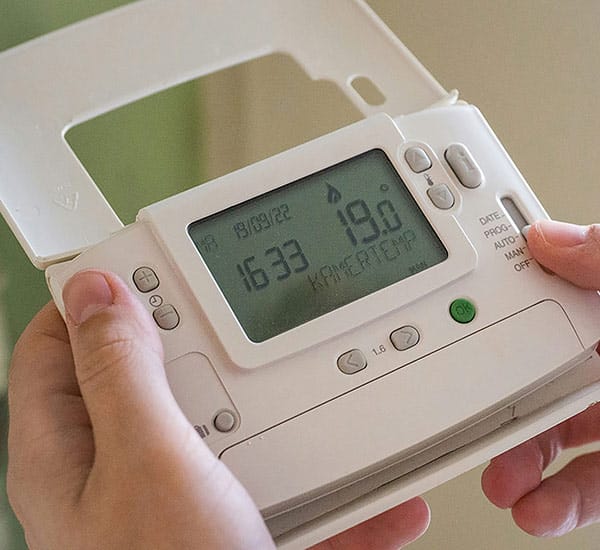
Room thermostats measure air temperature, not floor temperature.

With underfloor heating, the floor surface above heating pipes or cables can be significantly warmer than the surrounding air. Relying on air temperature alone can therefore result in safe-looking thermostat readings while the floor itself exceeds acceptable limits.

For this reason, temperature control during installation should always be based on floor surface temperature, not air temperature alone.

Maintaining low, stable floor temperatures throughout installation helps ensure the SPC flooring is laid in controlled conditions and reduces the risk of problems once the heating system is brought back into use.

7. Thermostats, Sensors & Temperature Limiting

Accurate temperature control is essential when using click LVT (SPC) flooring over underfloor heating. Relying solely on room temperature control significantly increases the risk of overheating the floor surface, particularly during early heating cycles and seasonal changes.

Floor Probes vs Air Sensors

Standard thermostats typically measure air temperature, which reflects how warm the room feels rather than how warm the floor actually is. With underfloor heating, this distinction is critical.

  • Air temperature sensors
    Measure ambient room temperature only. While useful for comfort control, they do not provide protection against excessive floor surface temperatures.
  • Floor temperature probes
    Measure the temperature at floor level, directly where heat affects the flooring. These probes provide accurate feedback on surface conditions and are essential for protecting SPC flooring.

For SPC installations, floor probes are the preferred method of temperature monitoring and should be used wherever possible.

Enforcing Hard Surface Temperature Limits

SPC flooring must operate within defined surface temperature limits to maintain stability.

Thermostats should be configured to:

  • Use floor probe input as the primary control reference, or
  • Enforce a hard maximum floor temperature limit, typically not exceeding 27°C, unless the flooring manufacturer explicitly permits higher limits

These limits apply regardless of room comfort levels. A room may feel cool while the floor surface is already approaching unsafe temperatures.

Hard temperature caps prevent the heating system from exceeding safe operating limits and provide a consistent safeguard against accidental overheating.

Preventing Heat-Related Locking or Movement

Excessive or poorly controlled heat can introduce stress into SPC flooring systems.

Common causes include:

  • Rapid temperature increases
  • Overheating above permitted surface limits
  • Uneven heat distribution across the floor

These conditions can lead to:

  • Locking system stress
  • Joint pressure or separation
  • Localised movement or noise

Correct use of floor probes and temperature limits helps ensure heat is applied evenly and gradually, reducing stress on the floor as a whole.

Importance of Correct Thermostat Configuration

Even with suitable hardware installed, incorrect thermostat configuration can undermine the system.

Best practice includes:

  • Ensuring the thermostat recognises and prioritises floor probe input
  • Setting conservative maximum surface temperature limits
  • Disabling aggressive boost or rapid warm-up functions
  • Avoiding large or sudden temperature changes

Correct configuration ensures the underfloor heating system operates in a way that supports the long-term performance of SPC flooring, rather than working against it.

8. After Installation: UFH Start-Up & Commissioning

The period immediately after installation is one of the most critical stages when using click LVT (SPC) flooring over underfloor heating. Many SPC-related issues occur not because the floor was installed incorrectly, but because the heating system was brought back into use too quickly.

Waiting Period Before Reactivating UFH

After installation is complete, underfloor heating should remain switched off for a minimum of 24 hours.

This waiting period allows:

  • The flooring to settle in stable conditions
  • Joints and locking systems to stabilise
  • The floor to acclimatise evenly across the space

Reactivating underfloor heating too soon can introduce thermal stress before the floor has fully adjusted.

Gradual Temperature Increases

When underfloor heating is switched back on, it must be brought up to operating temperature gradually.

Best practice for SPC flooring is to:

  • Start the system at a low temperature (typically close to room temperature)
  • Increase the floor surface temperature by no more than 5°C per day
  • Continue this gradual increase until the normal operating temperature is reached

Sudden temperature increases can cause uneven expansion across the floor area, placing stress on joints and perimeter allowances.

Maximum Operating Temperature Limits

During commissioning and regular use, the floor surface temperature must not exceed manufacturer limits.

As a general guideline:

  • The recommended maximum surface temperature for SPC flooring is 27°C
  • Some manufacturers permit up to 28°C, but operating at the lower limit provides a greater safety margin

These limits refer to the surface temperature of the floor, not the room air temperature shown on the thermostat.

Exceeding maximum surface temperatures can lead to:

  • Locking system stress
  • Edge lift or joint pressure
  • Long-term movement issues

Why Rushing This Stage Causes Problems

SPC flooring responds best to slow, controlled temperature changes.

Rushing the commissioning process can:

  • Force the floor to expand too quickly
  • Create uneven movement across the installation
  • Increase pressure at joints and edges
  • Lead to issues such as edge lift, joint stress, or noise

Problems caused at this stage may not appear immediately but often develop over time as the floor continues to cycle through heating and cooling.

A controlled start-up process protects the flooring, supports long-term performance, and helps ensure the underfloor heating system and SPC floor work together as intended.

Underfloor Heating SPC Flooring Temperature Ramp-Up Schedule

9. Regular Use & Seasonal Operation

Once the underfloor heating system has been correctly commissioned, click LVT (SPC) flooring can be used as part of normal daily heating without the need to repeat the full start-up process each time.

Normal Daily Use

For everyday operation:

  • Underfloor heating can be programmed to maintain comfortable, consistent temperatures
  • Normal on/off cycling within safe limits will not harm the flooring
  • Small adjustments made gradually are preferable to frequent large changes

The key is consistency. SPC flooring performs best when temperatures are kept stable rather than repeatedly pushed to extremes.

Re-Starting After Long Shutdowns

If the underfloor heating system has been switched off for an extended period — typically more than 7 consecutive days, such as during warmer months — temperatures should be reintroduced gradually.

Recommended approach:

  • Restart the system at a low setting
  • Increase the floor surface temperature progressively over 1–2 days
  • Ensure the maximum surface temperature is not exceeded at any stage

This allows the floor to readjust to heat without introducing unnecessary stress.

Avoiding Rapid Heat Changes

Rapid or aggressive temperature changes should always be avoided.

Examples include:

  • Turning the system from off directly to high output
  • Using boost functions that raise temperatures too quickly
  • Large setbacks followed by rapid warm-ups

Sudden changes can cause uneven expansion across the floor area, increasing pressure at joints and edges over time.

Seasonal Adjustment Guidance

Seasonal changes in heating demand are normal. Rather than maintaining fixed high temperatures throughout the year, underfloor heating should be adjusted progressively in response to external conditions.

As colder weather sets in, increase temperatures gradually over several days rather than in one step. Likewise, as heating demand reduces in spring and summer, lower output progressively rather than switching between extremes.

Measured seasonal adjustments help maintain stable floor conditions and support long-term performance of SPC flooring over underfloor heating.

10. Common Mistakes with SPC Flooring over Underfloor Heating

Most issues with SPC flooring installed over underfloor heating are caused by avoidable mistakes. Understanding these common problems helps prevent long-term performance issues and unnecessary remedial work.

Insufficient Expansion Gaps

SPC flooring must be able to expand and contract freely, particularly when exposed to heat.

  • Failing to allow adequate perimeter expansion space
  • Using standard gaps intended for non-heated floors
  • Restricting movement at thresholds or transitions

These issues can lead to joint stress, edge lift, or noise as the floor responds to temperature changes.

Uneven Subfloors

Rigid SPC flooring does not tolerate uneven substrates.

  • Localised high points can place stress on locking systems
  • Low spots can cause deflection or movement when heated
  • Underfloor heating can amplify existing subfloor defects

Any unevenness must be corrected before installation begins.

Overheating

Exceeding manufacturer-approved temperature limits is one of the fastest ways to damage SPC flooring.

  • Floor surface temperatures above safe limits increase expansion stress
  • Rapid heat increases can shock the flooring
  • Relying on air temperature rather than floor temperature increases risk

Consistent, controlled heating is essential for long-term stability.

Blocking Movement with Heavy Fixtures

SPC flooring is installed as a floating system and must never be mechanically restrained.

  • Fixed kitchen units or islands placed on top of the floor
  • Heavy fixtures restricting natural movement
  • Flooring trapped between heated and unheated areas without expansion breaks

Blocking movement prevents the floor from responding evenly to heat, leading to stress buildup and failure over time.

Avoiding these common mistakes goes a long way toward ensuring SPC flooring performs reliably over underfloor heating.

11. Final Advice from Floor Warehouse

Click LVT (SPC) flooring can perform extremely well over underfloor heating when the system is correctly specified, installed, and controlled. However, no two installations are identical, and success depends on following the correct guidance at every stage.

Where guidance differs between the flooring manufacturer, underfloor heating supplier, or installation instructions, always follow the most restrictive requirement. This approach provides the greatest level of protection for both the flooring and the heating system.

As a floating floor system, SPC flooring must be given sufficient space to move. Adequate expansion allowances and freedom from mechanical restraint are essential, particularly when underfloor heating is present.

Finally, controlled temperatures are key to long-term performance. Gradual changes, conservative temperature limits, and accurate floor-level monitoring place less stress on the flooring and help ensure stable, reliable results over time.

Taking a measured, well-informed approach will deliver the best outcome from your SPC flooring and underfloor heating system.

Underfloor Heating & SPC Flooring FAQs

Can SPC flooring be used with underfloor heating?

Yes. Click LVT with an SPC (Stone Polymer Composite) rigid core can be used with underfloor heating, provided the system is compatible and manufacturer installation guidelines are followed. Most SPC flooring is approved for use with water-based underfloor heating systems, subject to temperature limits and correct installation.

What is the maximum temperature for SPC flooring over underfloor heating?

The maximum permitted floor surface temperature for SPC flooring is typically 27°C. Some manufacturers allow up to 28°C, but operating at the lower limit provides a greater safety margin. This refers to the temperature at the surface of the floor, not the room air temperature.

Can SPC flooring be installed over electric underfloor heating?

Some SPC flooring products are compatible with electric underfloor heating systems, but many manufacturers apply restrictions or exclude warranty cover due to rapid temperature changes. Compatibility should always be confirmed with the flooring manufacturer, and accurate floor temperature control is essential.

Does underfloor heating need to be turned off during installation?

Yes. Underfloor heating should be switched off at least 24 hours before installation. If it cannot be fully switched off, it must be restricted so the floor surface temperature remains low and stable, typically not exceeding 18°C during installation.

Do I need floor temperature sensors with SPC flooring?

Yes. Floor temperature sensors are strongly recommended when SPC flooring is installed over underfloor heating. They measure the actual floor surface temperature and allow thermostats to enforce safe maximum limits, reducing the risk of overheating.

Can kitchen units or islands be installed on top of SPC flooring with underfloor heating?

No. SPC flooring is installed as a floating floor and must not be mechanically restrained. Fixed kitchen units or islands should be installed before the flooring, with the SPC floor fitted up to them and appropriate expansion gaps maintained.

author-avatar

About Floor Warehouse

Floor Warehouse is a UK-based flooring specialist with over 15 years of combined industry experience in sourcing, selling, and advising on wood, laminate, SPC, and LVT flooring. Our expert advice is written to help homeowners, designers, and trade professionals make informed flooring decisions — from installation and maintenance to underfloor heating compatibility, sustainability, and long-term performance. All guidance is based on real-world product knowledge, manufacturer standards, and common questions we see every day from customers across the UK.